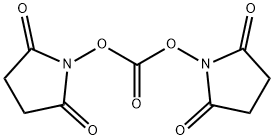
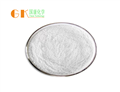
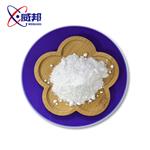
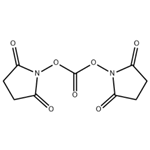
N,N'-Disuccinimidyl carbonate is white to slightly yellow crystalline powder
N,N'-Disuccinimidyl carbonate is a convenient reagent for the synthesis of N-succinimidyl esters of N-protected amino acids.
N,N’Disuccinimidyl Carbonate is a commonly used reagent for the preparation of N-succinimidyl esters of N-protected amino acids, activated carbonate, synthesis of urea, carbamates and coupling of lig ands to proteins. The coupling reagent property of N,N’Disuucinimidyl Carbonate speeds up coupling process, while reduces the loss of chiral integrity.
N,N'-Disuccinimidyl carbonate is used to prepare cleavable linker succinimide vinylsufonylethyl carbonate for thiol modified-DNA. It serves as a reagent for the synthesis of carbamates. Further, it is used as a coupling reagent as well as in the preparation of N-succinimidyl esters of N-protected amino acids, activated carbonate and coupling of ligand to proteins.
N,N′-Disuccinimidyl carbonate is used for the HPLC determination of amino compounds.
reaction type: Coupling Reactions
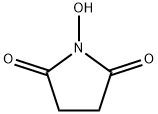
1. 8 kg (1.25 kmol) of N-hydroxybutanediimide is added to the reactor kettle in a single addition, stirred well, and the temperature in the kettle is maintained at -2°C to 0°C.
2. 300 kg (1.62 kmol) of tributylamine and 450 kg of tetrahydrofuran are mixed in a high level tank and then slowly added to the reactor over a period of 10 to 11 hours in an amount of 50 to 57 kg per hour, maintaining the kettle temperature at not more than 5°C.
3. Due to the exothermic nature of the reaction, after the addition of tributylamine, the reaction vessel was warmed up to room temperature and the reaction was continued for 7.5 h. A large number of white solid crystals (N,N'-disuccinimidyl carbonate) were observed to precipitate out of the reaction solution.
4. Filtration of the reaction mixture: the reaction material was homogeneously introduced into a totally closed centrifuge within 1 h and dried under N2 protection. Subsequently the solids in the centrifuge were washed in two batches with 100 kg of tetrahydrofuran solvent at about 0°C and dried to give 120 kg of wet product.
5. The wet product was dried in a vacuum oven at 40 to 45°C for 7 to 8 hours to constant weight to give 95 kg of white crystalline powder with an HPLC purity of 99.1%. The filtrate obtained by centrifugal separation was used in the next step of the reaction.
6. The centrifugal filtrate and washing solvent from step 3 were combined and introduced into a 2000 L distillation unit. The tetrahydrofuran solvent was removed under vacuum at 0 to 5°C, maintaining the kettle temperature at 40 to 42°C. 7.
7. After removal of the tetrahydrofuran, 230 kg of ethylene dichloride was added, stirred at 40°C and held at 50°C for 0.5 hours. The reaction mixture was subsequently washed three times with 160 kg of water.
8. The phases were separated and the dichloromethane phase was added to a 500 L autoclave for subsequent processing.
[1] Patent: CN104030962, 2016, B. Location in patent: Paragraph 0036-0041