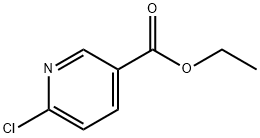
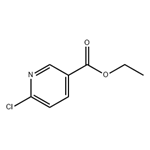
50 g (0.317 mol) of 6-chloronicotinic acid, 500 ml of acetonitrile, and 56.6 g (0.35 mol) of carbonyl diimidazole were stirred at room temperature for 2 h. Then, 52 ml (0.8 mol) of ethanol was added to the solution, and stirring continued for 2 h. The reaction progress was monitored by TLC. After the reaction was complete, the solvent was removed under vacuum. The residue was dissolved in 1 L of dichloromethane. The resulting dichloromethane layer was washed with water and then with a saturated sodium bicarbonate aqueous solution. The organic layer was dried over anhydrous sodium sulfate, and the sodium sulfate solid was removed by filtration. The filtrate was concentrated under reduced pressure to obtain the target compound.
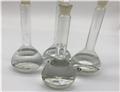
White to light yellow solid or colorless to yellow liquid
Ethyl 6-chloropyridine-3-carboxylate (Ethyl 6-chloronicotinate) may be used in the preparation of ethyl 5-{[5-(1H-benzimidazol-2-yl)pyridin-2-yl]ethynyl}pyridine-2-carboxylate by reacting with 2-[6-(ethynyl)pyridin-3-yl]-1H-benzimidazole under microwave irradiation.
Ethyl 6-chloronicotinate is a nicotinic acid derivative used in the preparation of potent H3 receptor antagonists.
Ethyl 6-chloropyridine-3-carboxylate (Ethyl-6-chloronicotinate, E-6-ClN) undergoes direct amidation on reacting with benzylamine in the presence lanthanum trifluoromethanesulfonate La(OTf)3. The structural and physicochemical properties of E-6-ClN have been investigated based on its spectroscopic data, time-dependent density functional theory and density of state diagrams.