
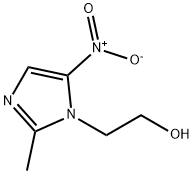
Metronidazole
- Product NameMetronidazole
- CAS443-48-1
- MFC6H9N3O3
- MW171.15
- EINECS207-136-1
- MOL File443-48-1.mol
Chemical Properties
| Melting point | 159-161 °C (lit.) |
| Boiling point | 301.12°C (rough estimate) |
| Density | 1.3994 (rough estimate) |
| refractive index | 1.5800 (estimate) |
| Flash point | 9℃ |
| storage temp. | 2-8°C |
| solubility | acetic acid: 0.1 M, clear, faintly yellow |
| pka | pKa 2.62(H2O,t =25±0.2,Iundefined) (Uncertain) |
| form | crystalline |
| color | white to light yellow |
| Water Solubility | <0.1 g/100 mL at 20 ºC |
| Merck | 14,6157 |
| BRN | 611683 |
| Henry's Law Constant | 5.8×10⁵ mol/(m3Pa) at 25℃, HSDB (2015) |
| BCS Class | 1,3 |
| Stability | Stable. Incompatible with strong oxidizing agents. |
| Major Application | clinical testing |
| InChI | 1S/C6H9N3O3/c1-5-7-4-6(9(11)12)8(5)2-3-10/h4,10H,2-3H2,1H3 |
| InChIKey | VAOCPAMSLUNLGC-UHFFFAOYSA-N |
| SMILES | CC1=NC=C([N+]([O-])=O)N1CCO |
| LogP | -0.02 |
| NIST Chemistry Reference | Metronidazole(443-48-1) |
| IARC | 2B (Vol. 13, Sup 7) 1987 |
| EPA Substance Registry System | Metronidazole (443-48-1) |
Safety Information
| Hazard Codes | Xn |
| Risk Statements | 40-46-45-39/23/24/25-23/24/25-11 |
| Safety Statements | 36/37-45-53-16-7 |
| WGK Germany | 3 |
| RTECS | NI5600000 |
| F | 8 |
| HS Code | 29332990 |
| Storage Class | 6.1C - Combustible acute toxic Cat.3 toxic compounds or compounds which causing chronic effects |
| Hazard Classifications | Carc. 1B Muta. 1B STOT RE 2 |
| Hazardous Substances Data | 443-48-1(Hazardous Substances Data) |
MSDS
| Provider | Language |
|---|---|
| Flagyl | English |
| SigmaAldrich | English |
| ACROS | English |
Usage And Synthesis
In addition to being used for anti-trichomoniasis and anti-ameba, in recent years, metronidazole has been widely used in anti-anaerobic infection. The nitro group of this product is reduced to amino group in an anaerobic environment and shows the effect of anti-anaerobic bacteria, but it is ineffective against aerobic bacteria or facultative aerobic bacteria. It has good antibacterial effect on the following anaerobic bacteria: ① Bacteroides, including Bacteroides fragilis; ② Clostridium; ③ Clostridium, including Tetanus; ④ Partial Eubacterium; ⑤ Peptococcus and Digestive Streptococcus etc.
Metronidazole is a nitroimidazole antibiotic, also known as metronidazol and novonidazol. It was initially used to treat vaginal trichomaniasis, with very significant clinical effects. It is broadly used to prevent and treat oral anaerobic infections. In hospitals, it has been used frequently to prevent and treat respiratory, gastrointestinal, peritoneal, pelvic, skin, soft tissue, joint, and brain infections, cardiomyitis, and septicemia caused by anaerobic bacteria. The effectiveness of Metronidazole towards treating body tissue and intestinal amoebiasis is significant, and it the preferred drug to treat parasitosis.
Metronidazole kills anaerobic microorganisms, and its metabolites in the body during reduction also inhibit them by inhibiting DNA synthesis, thus interfering with bacterial growth and propagation, eventually killing them. Anaerobic bacteria affected include: Bacteroides fragilis, Fusobacterium (so named because of its sharp fusiform shape at both ends,) Clostridium tetani, Peptostreptococcus, and Giardia lamblia. Its mechanism of action in the treatment of parasites is to disrupt protozoans’ nitrogen chains by inhibiting their redox reactions. In vitro experiments have shown that at concentrations of 1-2 mg/L, morphological changes occurred in dissolved amoeba starting at 6-20 hours, killing them all within 24 hours. At a concentration of 0.2 mg/L, dissolved bacteria were killed within 72 hours.
Interactions with nitroimidazole antibiotics, ethanol, and nicotine interfere with the oxidation of ethanol and can cause disulfiram reactions, causing symptoms like faster heart rate and decreased blood pressure, so patients should avoid contact with alcohol and smoke less during treatment in order to prevent the occurrence of adverse reactions.
It is synthetized by 2-methyl-5-nitro imidazole (see 25010) and ethylene oxide addition. 2-methyl-5-nitro imidazole dissolved in formic acid and at 30-40℃ successive adding epoxy ethane, and sulfuric acid in the middle of adding feeding. and reaction for 1 h, after that. Decompression to recycle formic acid, water solution is cooled to 10 ℃, filter. The filtrate with sodium hydroxide solution to adjust pH = 10. Set aside to cool, filtering, washing to nearly alterations into neutral, recrystallization in water. Activated carbon decolorization to get metronidazole.
Metronidazole is a 5-nitroimidazole derivative which was originally introduced against Trichomonas vaginalis in 1960. Soon it was shown to possess a broad spectrum of activity against other protozoal infections such as amoebiasis and giardiasis, and more recently against infections due to anaerobic bacteria [1]. The mechanism of action of metronidazole is not well understood. In the parasite, the 5-nitro group of the drug undergoes reductive transformation to a cytotoxic intermediate which binds to the helical structure of the DNA leading to strand breakage and eventual cell death [2].
Against infections caused by Trichomonas vaginalis, Entamoeba histolytica (acute intestinal type and liver abscesses), Giardia lamblia and Dracunculus medinensis. During treatment of trichomoniasis it is wise to treat the male partner as well. In amoebiasis, a luminal amoebicide is added to eliminate surviving organisms in the colon. Metronidazole is also used for the treatment of infections due to anaerobic bacteria.
Side effects with doses used to treat protozoal infections are usually mild, reversible and self-limiting and may affect 4% to 5% of treated patients. The most common are gastrointestinal disturbances (nausea, vomiting, epigastric pain, metallic taste, furring of the tongue), intolerance to alcohol (disulfiram-like effect) and central nervous system effects (headache, dizziness and sleepiness) [3]. Other side effects reported include urticaria, darkening of the urine with a reddish-brown discoloration and transient neutropenia [4]. During prolonged high doses, the drug may cause severe neurotoxic side effects such as peripheral neuropathy, paraesthesia and epileptiform seizures [3,4]. Few case reports of bone marrow depression [5], gynecomastia [6] and acute pancreatitis [7] have been reported.
Although metronidazole is mutagenic in bacteria and carcinogenic in rodents, no association with human cancer has been proven .
Dosage reductions should be made in patients with severe hepatic failure. Because of its potential neurotoxicity and neutropenia the drug should be given with caution to patients with diseases of the CNS or with a history of blood dyscrasia. Patients should be warned of a disulfiram-like reaction if the drug is taken together with alcohol. Metronidazole should be used with extra caution in patients being treated with warfarin (see interactions).
Metronidazole is a weak inhibitor of alcohol dehydrogenase. Simultaneous administration of metronidazole and disulfiram has been reported to cause an acute psychosis or mental confusion. This effect was observed in 6 of 29 chronic alcoholic men given both drugs, but in none of those given placebo plus disulfiram [8]. Metronidazole inhibits the ring oxidation of S (+) warfarin and significant bleeding can occur if the two drugs are taken together [9]. Significant increase of hepatic clearance of metronidazole has been reported when the drug was taken together with phenobarbital [10, 11] or prednisone [11].
Many preparations are available apart from those mentioned below. Available as metronidazole
• Elyzol® (Dumex). Solution for infusion 5 mg/ml. Tablets 250 mg, 500 mg. Suppositories 500 mg, 1000 mg.
• Flagyl® (Rhône-Poulenc Rorer). Solution for infusion 5 mg/ml. Tablets 200 mg, 400 mg. Suppositories 500 mg, 1000 mg.
• Servizol® (Servipharm). Tablets 200 mg, 250 mg.
Available as metronidazole benzoate: 10 mg metronidazole benzoate is equivalent to 6.2 mg metronidazole.
• Elyzol (Dumex)® Oral solution 25 mg metronidazole base/ml.
• Flagyl® (Rhône-Poulenc Rorer). Oral solution 40 mg metronidazole base/ml.
• Elyzol® (Dumex). Solution for infusion 5 mg/ml. Tablets 250 mg, 500 mg. Suppositories 500 mg, 1000 mg.
• Flagyl® (Rhône-Poulenc Rorer). Solution for infusion 5 mg/ml. Tablets 200 mg, 400 mg. Suppositories 500 mg, 1000 mg.
• Servizol® (Servipharm). Tablets 200 mg, 250 mg.
Available as metronidazole benzoate: 10 mg metronidazole benzoate is equivalent to 6.2 mg metronidazole.
• Elyzol (Dumex)® Oral solution 25 mg metronidazole base/ml.
• Flagyl® (Rhône-Poulenc Rorer). Oral solution 40 mg metronidazole base/ml.
1. Scully BE (1988). Metronidazole. Med Clin North Amer, 72, 613–621.
2. Muller M (1983). Mode of action of metronidazole on anaerobic bacteria and protozoa. Surgery, 93, 165–171.
3. Lau AH, Lam NP, Piscitelli SS (1992). Clinical pharmacokinetics of metronidazole and other nitroimidazole anti-infectives. Clin Pharmacokinet, 23, 328–364.
4. Roe FJC (1985). Safety of nitroimidazoles. Scand J Infect Dis, 46, 72–81.
5. Heisterberg L, Branebjerg PE (1983). Blood and milk concentrations of metronidazole in mothers and infants. J Perinat Med, 11, 114–120.
6. Fagan TC, Johnson DG, Grosso DS (1985). Metronidazole-induced gynecomastia. J Am Med Ass, 254, 3217.
7. Poltkin BH, Cohen I, Tsang T, Cullinane T (1985). Metronidazole-induced pancreatitis. Ann Intern Med, 103, 891–892.
8. Rothstein E, Clancy DD (1969). Toxicity of disulfiram combined with metronidazole. N Engl J Med, 280, 1006–1007.
9. O’Reilly RA (1976). The stereoselective interaction of warfarin and metronidazole in man. N Engl J Med, 295, 354–357.
10. Gupte S (1983). Phenobarbital and metabolism of metronidazole. N Engl J Med, 308, 529. 11. Eradiri D, Jamali R, Thomson ABR (1988). Interaction of metronidazole with phenobarbital, cimetidine, prednisone, and sulphasalzine in Crohn’s disease. Biopharmaceut Drug Disp, 9, 219– 227.
2. Muller M (1983). Mode of action of metronidazole on anaerobic bacteria and protozoa. Surgery, 93, 165–171.
3. Lau AH, Lam NP, Piscitelli SS (1992). Clinical pharmacokinetics of metronidazole and other nitroimidazole anti-infectives. Clin Pharmacokinet, 23, 328–364.
4. Roe FJC (1985). Safety of nitroimidazoles. Scand J Infect Dis, 46, 72–81.
5. Heisterberg L, Branebjerg PE (1983). Blood and milk concentrations of metronidazole in mothers and infants. J Perinat Med, 11, 114–120.
6. Fagan TC, Johnson DG, Grosso DS (1985). Metronidazole-induced gynecomastia. J Am Med Ass, 254, 3217.
7. Poltkin BH, Cohen I, Tsang T, Cullinane T (1985). Metronidazole-induced pancreatitis. Ann Intern Med, 103, 891–892.
8. Rothstein E, Clancy DD (1969). Toxicity of disulfiram combined with metronidazole. N Engl J Med, 280, 1006–1007.
9. O’Reilly RA (1976). The stereoselective interaction of warfarin and metronidazole in man. N Engl J Med, 295, 354–357.
10. Gupte S (1983). Phenobarbital and metabolism of metronidazole. N Engl J Med, 308, 529. 11. Eradiri D, Jamali R, Thomson ABR (1988). Interaction of metronidazole with phenobarbital, cimetidine, prednisone, and sulphasalzine in Crohn’s disease. Biopharmaceut Drug Disp, 9, 219– 227.
Metronidazole is a nitroimidazole antibiotic first isolated in the
1950s. Many nitroimidazoles were being studied at the time,
as the class was found to have trichomonacidal properties.
Metronidazole was of particular interest due to its high activity
against Trichomonas vaginalis and Entamoeba histolytica both
in vitro and in vivo as well as clinical activity against many
anaerobic pathogens including Gram-positive and Gramnegative
bacteria and Giardia lamblia. Metronidazole is often
used clinically for intra-abdominal infections and is the firstline
treatment for Clostridium difficile–associated diarrhea.
Metronidazole is an odorless, white, yellow, or cream-colored crystalline solid. Darkens on exposure to light. Bitter, salty taste (do not test). Soluble in hot water, slightly soluble in ethanol, slightly soluble in water or chloroform, very slightly soluble in ether.
Metronidazole, is an antibiotic and antiprotozoal agent. It is mainly used to treat or prevent systemic or local infections caused by anaerobic bacteria, such as anaerobic bacterial infections in the abdominal cavity, digestive tract, female reproductive system, lower respiratory tract, skin and soft tissues, bones and joints, etc. Inflammation, meningeal infections, and colitis caused by antibiotic use are also effective. Tetanus is often treated with tetanus antitoxin (TAT). It can also be used for oral anaerobic infection. On October 27, 2017, the list of carcinogens published by the World Health Organization's International Agency for Research on Cancer was preliminarily sorted for reference, and metronidazole was included in the list of class 2B carcinogens. In January 2020, metronidazole was selected into the second batch of national centralized drug procurement list.
Metronidazole is available as oral, intravaginal, topical, and
parenteral preparations. It is manufactured by several companies,
but is only available by prescription. Unintentional
environmental exposure is unlikely, and if it occurs, it is very
unlikely to cause toxicity.
Metronidazole is the drug of choice for amebiases, vaginal trichomonasis and
trichlomonadic urethritis in men, lambliosis, amebic dysentery, and anaerobic infections
caused by microorganisms that are sensitive to the drug. Synonyms of this drug are flagyl,
protostat, trichopol, and vagimid.
Used as an antibacterial in the treatment of rosacea. Antiprotozoal (trichomonas). A potential human carcinogen.
Metronidazole (Flagyl, Metrogel) exerts activity against
most anaerobic bacteria and several protozoa.The drug
freely penetrates protozoal and bacterial cells but not
mammalian cells. Metronidazole can function as an
electron sink, and because it does so, its 5-nitro group is
reduced. The enzyme, pyruvate-ferredoxin oxidoreductase,
found only in anaerobic organisms, reduces
metronidazole and thereby activates the drug. Reduced
metronidazole disrupts replication and transcription
and inhibits DNA repair.
ChEBI: Metronidazole is a member of the class of imidazoles substituted at C-1, -2 and -5 with 2-hydroxyethyl, nitro and methyl groups respectively. It has activity against anaerobic bacteria and protozoa, and has a radiosensitising effect on hypoxic tumour cells. It may be given by mouth in tablets, or as the benzoate in an oral suspension. The hydrochloride salt can be used in intravenous infusions. Metronidazole is a prodrug and is selective for anaerobic bacteria due to their ability to intracellularly reduce the nitro group of metronidazole to give nitroso-containing intermediates. These can covalently bind to DNA, disrupting its helical structure, inducing DNA strand breaks and inhibiting bacterial nucleic acid synthesis, ultimately resulting in bacterial cell death. It has a role as an antitrichomonal drug, a prodrug, an antibacterial drug, an antimicrobial agent, an antiparasitic agent, a xenobiotic, an environmental contaminant, a radiosensitizing agent and an antiamoebic agent. It is a member of imidazoles, a C-nitro compound and a primary alcohol. It is a conjugate base of a metronidazole(1+).
2-Methyl-4(or 5)-nitroimidazole (127 g) is heated with ethylene chlorohydrin
(795 g) for 18 hours at 128° to 130°C and the chlorohydrin (660 g) is then
distilled under reduced pressure (30mm Hg). The residue is treated with water
(300 cc) and filtered, and the filtrate is made alkaline by the addition of
sodium hydroxide solution (d = 1.33, 100 cc). It is then extracted with
chloroform (1,000 cc) and, after evaporation of the chloroform in vacuo, there
is obtained a pasty mass (77 g) which is recrystallized from ethyl acetate (450
cc) in the presence of animal charcoal. There is thus obtained 1-(2-
hydroxyethyl)-2-methyl-5-nitroimidazole (24 g) as a creamy white crystalline
powder melting at 158° to 160°C.
Flagyl (Searle); Metrogel (Galderma); Metrogel (3M Pharmaceuticals); Noritate(Sanofi Aventis); Vandazole (Teva).
Metronidazole inhibits E. histolytica, G. lamblia, T. vaginalis,
Blastocystis hominis, B. coli, and the helminth
Dracunculus medinensis. It is also bactericidal for obligate
anaerobic gram-positive and gram-negative bacteria
except Actinomyces spp. It is not active against aerobes
or facultative anaerobes. Drug resistance is
infrequent; the mechanism of resistance is not understood.
Tinidazole, a 5-nitroimidazole closely related to
metronidazole, is effective against vaginal trichomoniasis
resistant to metronidazole.
Although resistance in Bacteroides spp. and T. vaginalis is well documented, it is uncommon. Resistance occurs more frequently in H. pylori and failure of treatment with triple drug regimens may be associated with resistance to the metronidazole component.
White to pale-yellow crystalline powder with a slight odor. Bitter and saline taste. pH (saturated aqueous solution) about 6.5.
Metronidazole darkens on exposure to light. Metronidazole is incompatible with strong oxidizing agents. .
Flash point data for Metronidazole are not available; however, Metronidazole is probably combustible.
A 5-nitroimidazole available for oral administration or as a suppository; also formulated as the hydrochloride for intravenous use, and as the benzoate in an oral suspension and a dental gel. Aqueous solubility: 10 g/L at 20°C. Soluble in dilute acids. It is photolabile and preparations should be protected from light. Metronidazole hydrochloride has a low pH (0.5–2.0) when reconstituted, and reacts with aluminum in equipment, including needles, to produce a reddish-brown discoloration. It is incompatible with several agents and other drugs should not be added to intravenous solutions.
Metronidazole is a nitro-6-imidazole compound with antiprotozoal and antibacterial properties. Topical exposure may induce allergic contact dermatitis. Sensitization is mainly observed with the treatment of rosacea and rarely occurs from handling of table.
Metronidazole is a prodrug and is selective for anaerobic bacteria due to their ability to intracellularly reduce metronidazole to its active form. Reduced metronidazole covalently binds to DNA which disrupts its helical structure, induces DNA strand breaks and inhibits bacterial nucleic acid synthesis. Bacterial cell death results.
Despite the availability of metronidazole since the late 1950s, the mechanism of action of the drug
is still unknown. It generally is agreed that metronidazole is a pro-drug and that anaerobic
organisms reduce the nitro group in metronidazole to a hydroxylamine, as shown in Figure 39.2,
during which a reactive derivative or reactive species are produced that cause destructive effects
on cell components (i.e., DNA, proteins, and membranes). Specifically, DoCampo has reported
that nitroaryl compounds (nitroimidazoles, metronidazole; nitrofurans, nifurtomox) are reduced to
nitro radical anions, which in turn react with oxygen to regenerate the nitroaryl and the superoxide
radical anion. Further reduction of superoxide radical anion leads to hydrogen peroxide
and homolytic cleavage of the latter leads to hydroxyl radical formation. Superoxide radical anion,
hydrogen peroxide, and hydroxyl radicals are referred to as reactive oxygen species (ROS) and
are the reactive substances that are implicated in damage to critical cellular components of the
parasite.
Oral absorption :>90%
Cmax 400 mg oral :c. 10 mg/L after 3–5 h
Plasma half-life: 6–11 h
Volume of distribution:0.6–1.1 L/kg
Plasma protein binding:<20%
absorption
Peak plasma concentrations after oral administration are proportional to the dose. Plasma levels are usually lower in men because of weight differences. In patients treated intravenously with a loading dose of 15 mg/kg followed by 7.5 mg/kg every 6 h, peak steady state plasma concentrations averaged 25 mg/L with minimum trough concentrations averaging 18 mg/L.
The bioavailability of metronidazole in rectal suppositories is around 60%. Effective blood concentrations occur 5–12 h after the first suppository and are maintained by an 8 h regimen.
There are conflicting data on the effects of age on absorption. One study, which did not distinguish between metronidazole and its metabolites, indicated that the area under the curve (AUC) for plasma was almost doubled in the elderly. However, the general consensus is that there is no requirement for a decreased dosage for the elderly, unless there is significant renal impairment.
Distribution
It is widely distributed in body tissues after oral or intravenous administration.It appears about 90 min after an oral dose in brain tissue, cerebrospinal fluid (CSF), saliva and breast milk in concentrations similar to those found in plasma: and in :vaginal secretions, pleural and prostatic fluid at levels about 40% of those of the plasma. In patients receiving 500 mg every 12 h or 1 g every 6 h, CSF levels of up to 2 and 8 mg/L, respectively, have been found. Bactericidal concentrations of metronidazole are achieved in pus from hepatic abscesses. Concentrations in placenta and fetal tissue are related to the corresponding maternal plasma levels: concentrations of 3.5 mg/kg (placenta) and 9 mg/kg (fetus) when the plasma concentration was 13.5 mg/L.
Metabolism
It is metabolized in the liver to a glucuronide conjugate and to acid and hydroxy derivatives. The acid metabolite, produced by oxidation of the N-1 ethanol side-chain, is microbiologically inactive and appears in the urine because of its high water solubility. The hydroxy derivative, which is as active as the parent drug against G. vaginalis, is formed by oxidation of the methyl group on C-2 of the imidazole ring, first to the hydroxymethyl derivative and subsequently to the carboxylic acid. Hydroxymetronidazole has a half-life of 10–13 h. Both metronidazole itself and the hydroxymethyl metabolite can form sulfate or glucuronide conjugates: the acid metabolite may be excreted as the glycine conjugate. Traces of metabolites derived from reduction of the nitro group are found in urine and are assumed to be formed by the intestinal flora.
excretion
About 60–80% of the dose appears in the urine and 6–15% in the feces. The hydroxy and acid metabolites are also excreted in the urine. Glucuronide conjugates account for approximately 20% of the total. Renal clearance is approximately 10 mL/min per 1.73 m2. Decreased renal function does not alter the single-dose kinetics and dose adjustment is not normally required in patients with renal impairment. However, the hydroxy metabolite may accumulate in patients with end-stage disease and dose reduction may be necessary. Elimination is prolonged in patients with impaired liver function necessitating dose reduction. Hemodialysis increases the clearance of metronidazole, shortening the half-life to 2–3 h.
Newborn infants possess a decreased capacity to eliminate metronidazole. In one study, the elimination half-life measured during the first 3 days of life was inversely related to gestational age. In premature newborns and infants whose gestational ages were between 28 and 40 weeks, the corresponding half-life elimination rates ranged from 10.9 to 22.5 h.
Cmax 400 mg oral :c. 10 mg/L after 3–5 h
Plasma half-life: 6–11 h
Volume of distribution:0.6–1.1 L/kg
Plasma protein binding:<20%
absorption
Peak plasma concentrations after oral administration are proportional to the dose. Plasma levels are usually lower in men because of weight differences. In patients treated intravenously with a loading dose of 15 mg/kg followed by 7.5 mg/kg every 6 h, peak steady state plasma concentrations averaged 25 mg/L with minimum trough concentrations averaging 18 mg/L.
The bioavailability of metronidazole in rectal suppositories is around 60%. Effective blood concentrations occur 5–12 h after the first suppository and are maintained by an 8 h regimen.
There are conflicting data on the effects of age on absorption. One study, which did not distinguish between metronidazole and its metabolites, indicated that the area under the curve (AUC) for plasma was almost doubled in the elderly. However, the general consensus is that there is no requirement for a decreased dosage for the elderly, unless there is significant renal impairment.
Distribution
It is widely distributed in body tissues after oral or intravenous administration.It appears about 90 min after an oral dose in brain tissue, cerebrospinal fluid (CSF), saliva and breast milk in concentrations similar to those found in plasma: and in :vaginal secretions, pleural and prostatic fluid at levels about 40% of those of the plasma. In patients receiving 500 mg every 12 h or 1 g every 6 h, CSF levels of up to 2 and 8 mg/L, respectively, have been found. Bactericidal concentrations of metronidazole are achieved in pus from hepatic abscesses. Concentrations in placenta and fetal tissue are related to the corresponding maternal plasma levels: concentrations of 3.5 mg/kg (placenta) and 9 mg/kg (fetus) when the plasma concentration was 13.5 mg/L.
Metabolism
It is metabolized in the liver to a glucuronide conjugate and to acid and hydroxy derivatives. The acid metabolite, produced by oxidation of the N-1 ethanol side-chain, is microbiologically inactive and appears in the urine because of its high water solubility. The hydroxy derivative, which is as active as the parent drug against G. vaginalis, is formed by oxidation of the methyl group on C-2 of the imidazole ring, first to the hydroxymethyl derivative and subsequently to the carboxylic acid. Hydroxymetronidazole has a half-life of 10–13 h. Both metronidazole itself and the hydroxymethyl metabolite can form sulfate or glucuronide conjugates: the acid metabolite may be excreted as the glycine conjugate. Traces of metabolites derived from reduction of the nitro group are found in urine and are assumed to be formed by the intestinal flora.
excretion
About 60–80% of the dose appears in the urine and 6–15% in the feces. The hydroxy and acid metabolites are also excreted in the urine. Glucuronide conjugates account for approximately 20% of the total. Renal clearance is approximately 10 mL/min per 1.73 m2. Decreased renal function does not alter the single-dose kinetics and dose adjustment is not normally required in patients with renal impairment. However, the hydroxy metabolite may accumulate in patients with end-stage disease and dose reduction may be necessary. Elimination is prolonged in patients with impaired liver function necessitating dose reduction. Hemodialysis increases the clearance of metronidazole, shortening the half-life to 2–3 h.
Newborn infants possess a decreased capacity to eliminate metronidazole. In one study, the elimination half-life measured during the first 3 days of life was inversely related to gestational age. In premature newborns and infants whose gestational ages were between 28 and 40 weeks, the corresponding half-life elimination rates ranged from 10.9 to 22.5 h.
Absorption from the intestinal tract is usually good.
Food delays but does not reduce absorption.The drug is
distributed in body fluids and has a half-life of about 8
hours. High levels are found in plasma and cerebrospinal
fluid (CSF). Less than 20% binds to plasma
proteins. Metronidazole is metabolized by oxidation
and glucuronide formation in the liver and is primarily
excreted by the kidneys, although small amounts can be
found in saliva and breast milk. Dose reduction is generally
unnecessary in renal failure.
Metronidazole is the most effective agent available for
the treatment of individuals with all forms of amebiasis,
with perhaps the exception of the person who is asymptomatic
but continues to excrete cysts. That situation
calls for an effective intraluminal amebicide, such as
diloxanide furoate, paromomycin sulfate, or diiodohydroxyquin.
Metronidazole is active against intestinal
and extraintestinal cysts and trophozoites.
Although quinacrine hydrochloride has been used for the treatment of giardiasis, many physicians prefer metronidazole. Furazolidone is an alternate choice.
Metronidazole is the drug of choice in Europe for anaerobic bacterial infections; concern about possible carcinogenicity has led to some caution in its use in the United States.Recently it has been found to be effective in treating D. medinensis (Guinea worm) infections and Helicobacter pylori.
Although quinacrine hydrochloride has been used for the treatment of giardiasis, many physicians prefer metronidazole. Furazolidone is an alternate choice.
Metronidazole is the drug of choice in Europe for anaerobic bacterial infections; concern about possible carcinogenicity has led to some caution in its use in the United States.Recently it has been found to be effective in treating D. medinensis (Guinea worm) infections and Helicobacter pylori.
The most frequently observed adverse reactions to
metronidazole include nausea, vomiting, cramps, diarrhea,
and a metallic taste.The urine is often dark or redbrown.
Less frequently, unsteadiness, vertigo, ataxia,
paresthesias, peripheral neuropathy, encephalopathy,
and neutropenia have been reported. Since metronidazole
is a weak inhibitor of alcohol dehydrogenase, alcohol
ingestion should be avoided during treatment. A
psychotic reaction also may be produced. Metronidazole
interferes with the metabolism of warfarin and may potentiate
its anticoagulant activity. Phenobarbital and corticosteroids
lower metronidazole plasma levels by increasing
its metabolism, whereas cimetidine raises levels
by impairing metronidazole metabolism.The drug is not
recommended for use during pregnancy.
precautions
Alcohol should not be taken during and for 48 h after therapy because of a possible disulfiram-like reaction, nor should it be combined with formulations containing alcohol. It should not be given in cases of known hypersensitivity to nitroimidazoles.
It enhances the anticoagulant effect of warfarin and may impair the clearance of phenytoin and lithium. Phenytoin may increase the metabolism of metronidazole. Plasma concentrations are decreased by the concomitant administration of phenobarbital (phenobarbitone). The drug may also mask the immunological response of untreated early syphilis cases because of its antitreponemal activity.
It should be used with care in patients with blood dyscrasias or with any central nervous system (CNS) disease.
The drug should be avoided in pregnancy, especially during the first trimester and particularly if high doses are being administered. Use during the second and third trimesters may be acceptable if alternative therapies for trichomoniasis have failed, but single-dose (2 g oral) therapy should be avoided. The drug may cause the breast milk to taste bitter. Breast feeding should be discontinued until 24 h after the last dose to allow excretion of the drug. It appears safe when given to nursing mothers at doses of up to 400 mg every 8 h.
adverse effects
An unpleasant sharp, metallic taste is not unusual. Furry tongue, glossitis and stomatitis have occurred; stomatitis may be associated with overgrowth of Candida spp. during treatment. Gastrointestinal disturbances include nausea, vomiting, abdominal discomfort and diarrhea, and occur with intravenous and oral preparations. Pseudomembranous colitis has also been reported.
Nervous system effects associated with intravenous and oral preparations include convulsive seizures, peripheral neuropathy, dizziness, vertigo, incoordination, ataxia, confusion, irritability, depression, weakness and insomnia. Peripheral neuropathy was found in 11 of 13 patients aged 12–22 years treated for Crohn’s disease. The symptoms disappeared when the dose was discontinued or markedly reduced. Peripheral neuropathy or CNS toxicity is more likely in patients treated for 10 days or more and treatment should be discontinued. The co-administration of cimetidine increases plasma levels of metronidazole and may increase the risk of neurological side effects.
Reversible neutropenia has been reported after administration of both intravenous and oral preparations. Bone marrow aplasia and thrombocytopenia are rare. Hemolytic uremic syndrome was reported in six children who had been given metronidazole for non-specific diarrhea or for prophylaxis after bowel surgery.
Erythematous rash and pruritus have been reported after use of the intravenous preparation. The risk of thrombophlebitis can be minimized by avoiding prolonged indwelling catheters for intravenous infusion.
Rarely, flattening of the T wave may be seen in electrocardiographic tracings. A number of cases of deafness have been reported. Myopia related to 11 days’ oral treatment for trichomoniasis disappeared 4 days after treatment was stopped, but returned when treatment was resumed. There have been isolated reports of pancreatitis and gynecomastia.
Alcohol should not be taken during and for 48 h after therapy because of a possible disulfiram-like reaction, nor should it be combined with formulations containing alcohol. It should not be given in cases of known hypersensitivity to nitroimidazoles.
It enhances the anticoagulant effect of warfarin and may impair the clearance of phenytoin and lithium. Phenytoin may increase the metabolism of metronidazole. Plasma concentrations are decreased by the concomitant administration of phenobarbital (phenobarbitone). The drug may also mask the immunological response of untreated early syphilis cases because of its antitreponemal activity.
It should be used with care in patients with blood dyscrasias or with any central nervous system (CNS) disease.
The drug should be avoided in pregnancy, especially during the first trimester and particularly if high doses are being administered. Use during the second and third trimesters may be acceptable if alternative therapies for trichomoniasis have failed, but single-dose (2 g oral) therapy should be avoided. The drug may cause the breast milk to taste bitter. Breast feeding should be discontinued until 24 h after the last dose to allow excretion of the drug. It appears safe when given to nursing mothers at doses of up to 400 mg every 8 h.
adverse effects
An unpleasant sharp, metallic taste is not unusual. Furry tongue, glossitis and stomatitis have occurred; stomatitis may be associated with overgrowth of Candida spp. during treatment. Gastrointestinal disturbances include nausea, vomiting, abdominal discomfort and diarrhea, and occur with intravenous and oral preparations. Pseudomembranous colitis has also been reported.
Nervous system effects associated with intravenous and oral preparations include convulsive seizures, peripheral neuropathy, dizziness, vertigo, incoordination, ataxia, confusion, irritability, depression, weakness and insomnia. Peripheral neuropathy was found in 11 of 13 patients aged 12–22 years treated for Crohn’s disease. The symptoms disappeared when the dose was discontinued or markedly reduced. Peripheral neuropathy or CNS toxicity is more likely in patients treated for 10 days or more and treatment should be discontinued. The co-administration of cimetidine increases plasma levels of metronidazole and may increase the risk of neurological side effects.
Reversible neutropenia has been reported after administration of both intravenous and oral preparations. Bone marrow aplasia and thrombocytopenia are rare. Hemolytic uremic syndrome was reported in six children who had been given metronidazole for non-specific diarrhea or for prophylaxis after bowel surgery.
Erythematous rash and pruritus have been reported after use of the intravenous preparation. The risk of thrombophlebitis can be minimized by avoiding prolonged indwelling catheters for intravenous infusion.
Rarely, flattening of the T wave may be seen in electrocardiographic tracings. A number of cases of deafness have been reported. Myopia related to 11 days’ oral treatment for trichomoniasis disappeared 4 days after treatment was stopped, but returned when treatment was resumed. There have been isolated reports of pancreatitis and gynecomastia.
Confirmed carcinogen
with experimental carcinogenic,
neoplastigenic, tumorigenic, and teratogenic
data. Moderately toxic by ingestion,
intraperitoneal, and subcutaneous routes.
Human systemic effects by ingestion:
paresthesia, nerve or sheath structural
changes, eye changes, tremors, fever,
jaundice and other liver changes, hearingacuity
changes, somnolence, and ataxia.
Experimental reproductive effects. Human
mutation data reported. When heated to
decomposition it emits toxic fumes of NOx.
Metronidazole, 2-methyl-5-nitroimidazol-1-ethanol (37.2.10), is made by
nitrating 2-methylimidazole to make 2-methyl-5-nitroimidazole (37.2.9), which is then
reacted with 2-chloroethanol or ethylenoxide, which is easily transformed to the desired
metronidazole.

Metronidazole is an orally administered
drug for the treatment of infections due to entamoeba
histolytica; trichomonas vaginalis; giardia lamblia, and has
also been used for treating Vincent’s infection. It can be
used as a trichomonacide in veterinary medicine. One firm
has petitioned EPA to use metronidazole as a disinfectant
for cooling tower water.
Although there are no veterinary-approved metronidazole products,
the drug has been used extensively in the treatment of Giardia in
both dogs and cats. It is also used clinically in small animals for the
treatment of other parasites (Trichomonas and Balantidium coli) as
well as treating
both enteric and systemic anaerobic infections.
In horses, metronidazole has been used clinically for the treatment of anaerobic infections.
In horses, metronidazole has been used clinically for the treatment of anaerobic infections.
Potentially hazardous interactions with other drugs
Alcohol: disulfiram-like reaction.
Anticoagulants: effects of coumarins enhanced.
Antiepileptics: metabolism of phenytoin inhibited; concentration reduced by phenobarbital.
Busulfan: concentration of busulfan increased - risk of toxicity.
Ciclosporin: raised blood level of ciclosporin.
Cytotoxics: busulfan concentration increased; metabolism of fluorouracil inhibited.
Alcohol: disulfiram-like reaction.
Anticoagulants: effects of coumarins enhanced.
Antiepileptics: metabolism of phenytoin inhibited; concentration reduced by phenobarbital.
Busulfan: concentration of busulfan increased - risk of toxicity.
Ciclosporin: raised blood level of ciclosporin.
Cytotoxics: busulfan concentration increased; metabolism of fluorouracil inhibited.
Skin Contacrt521: Flood all areas of body thathave contacted the substance with water. Do not wait toremove contaminated clothing; do it under the water stream.Use soap to help assure removal.I Isolate contaminatedclothing when removed to prevent contact by others. EyeContact: Remove any contact lenses at once. Flush eyeswell with copious quantities of water or normal saline for atleast 20- 30 min. Seek medical attention. Inhalation: Leavearea immediately; breathe fresh air. Proper respiratory pro-tection must be supplied to any rescuers. If coughing, diffi-cult breathing, or any other symptoms develop, seekmedical attention at once, even if symptoms develop manyhours after exposure. Ingestion: If convulsions are not pres-ent, give a glass or two of water or milk to dilute the sub-stance. Assure that the person's airway is unobstructed andcontact a hospital or poison center immediately for adviceon whether or not to induce vomiting.
Metronidazole is reasonably anticipated to be a human carcinogenbased on sufficient evidence of carcinogenicity from studies in experimental animals.
Due to metronidazole’s use as a pesticide, it may have been
directly released into the environment. It lacks an adequate
chromophore for absorbing light and undergoing photolytic
degradation. In addition, in vitro assays demonstrated the
compound’s robust stability in the atmosphere or aqueous
environments. Metronidazole exhibited a soil half-life between
10 and 27 days.
Metronidazole is available in a variety of dosage forms, including IV, oral, rectal, and vaginal
suppositories. The bioavailability of metronidazole is nearly 100% when administered orally but is
significantly less when administered via the rectal route (67–82%) or the vaginal route (19–56%).
The drug is not bound to plasma protein. Distribution of the drug is fairly uniform through out the
body, including mother's milk.
Liver metabolism of metronidazole leads to two major metabolites: hydroxylation of the 2-methyl group to 2-hydroxymethylmetronidazole (HM), and oxidation to metronidazole acetic acid. Both compounds possess biological activity. Additionally, HM is found in the urine as glucuronide and sulfate conjugates. In addition, a small amount of metronidazole is oxidized to acetamide, a known carcinogen in rats but not in humans.
Liver metabolism of metronidazole leads to two major metabolites: hydroxylation of the 2-methyl group to 2-hydroxymethylmetronidazole (HM), and oxidation to metronidazole acetic acid. Both compounds possess biological activity. Additionally, HM is found in the urine as glucuronide and sulfate conjugates. In addition, a small amount of metronidazole is oxidized to acetamide, a known carcinogen in rats but not in humans.
Color Code—Blue: Health Hazard/Poison: Storein a secure poison location. Prior to working with thischemical you should be trained on its proper handling andstorage. Store in a refrigerator. A regulated, marked areashould be established where this chemical is handled, used,or stored in compliance with OSHA Standard 1910.1045.
Metronidazole is a prodrug that requires reductive activation
of the nitro group by susceptible organisms. The reduction
causes nitro radical formation and destruction of the organism’s
DNA. The mechanism of neurotoxicity is thought to be
due to axonal degeneration. Metronidazole has been shown to
bind neuronal RNA in rodent models, thus inhibiting protein
synthesis and causing degeneration. Metronidazole is also
capable of producing a disulfiram-type reaction with ethanol
ingestion. This reaction is hypothesized to occur due to
metronidazole inhibition of aldehyde dehydrogenase.
Incompatible with oxidizers (chlorates,
nitrates, peroxides, permanganates, perchlorates, chlorine,
bromine, fluorine, etc.); contact may cause fires or explosions.
Keep away from alkaline materials, strong bases,
strong acids, oxoacids, epoxides.
Dispose of contents and
container to an approved waste disposal plant. All federal,
state, and local environmental regulations must be observed.
It is inappropriate and possibly dangerous to the environment
to dispose of expired or waste drugs and pharmaceuticals by
flushing them down the toilet or discarding them to the trash.
Household quantities of expired or waste pharmaceuticals
may be mixed with wet cat litter or coffee grounds, doublebagged
in plastic, discard in trash. Larger quantities shall
carefully take into consideration applicable DEA, EPA, and
FDA regulations. If possible return the pharmaceutical to the
manufacturer for proper disposal being careful to properly
label and securely package the material. Alternatively, the
waste pharmaceutical shall be labeled, securely packaged,
and transported by a state licensed medical waste contractor
to dispose by burial in a licensed hazardous or toxic waste
landfill or incinerator.
[1] Patent: CN106674123, 2017, A. Location in patent: Paragraph 0044; 0045
[2] Pharmaceutical Chemistry Journal, 1989, vol. 23, # 10, p. 861 - 863
[3] Khimiko-Farmatsevticheskii Zhurnal, 1989, vol. 23, # 10, p. 1246 - 1248
[4] Patent: CN105348200, 2016, A. Location in patent: Paragraph 0040; 0041; 0047; 0048
[5] Patent: CN104177297, 2016, B. Location in patent: Paragraph 0030-0070
[2] Pharmaceutical Chemistry Journal, 1989, vol. 23, # 10, p. 861 - 863
[3] Khimiko-Farmatsevticheskii Zhurnal, 1989, vol. 23, # 10, p. 1246 - 1248
[4] Patent: CN105348200, 2016, A. Location in patent: Paragraph 0040; 0041; 0047; 0048
[5] Patent: CN104177297, 2016, B. Location in patent: Paragraph 0030-0070
Preparation Products And Raw materials
Preparation Products
Metronidazole manufacturers


Related articles
Metronidazole: Pharmacodynamics and Therapeutic UsesOct 25,2024
The pharmacopoeia standards of metronidazoleApr 13,2022
Side-effects of MetronidazoleMar 10,2022
Question and answer
Related Product Information
PROMPT×
PROMPT
The What'sApp is temporarily not supported in mainland China
The What'sApp is temporarily not supported in mainland China
Cancel
Determine