Production Methods
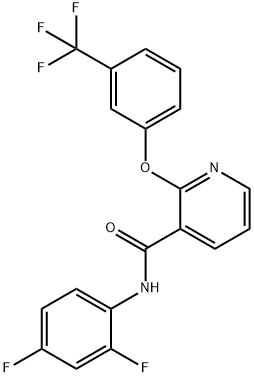
Diflufenican is commercially produced through a multi-step chemical synthesis involving fluorinated aromatic compounds and nicotinanilide intermediates. The process typically starts with the construction of a difluorophenyl ring, which is then coupled with a nicotinamide derivative via selective substitution and condensation reactions.
Agricultural Uses
Herbicide: Pre-and post-emergence foliar absorbed herbicide
for winter weed control in cereal crops; carotenoid biosynthesis inhibitor. Used on crops such as apples, apricot,
barley, beans (dry), broad beans, cherry, grapefruit, lemon,
lime, loquat, natsudaidai (whole), nectarine, orange,
peach, pear, peas, persimon, plum,quince, rye, soybeans,
unshu orange and wheat. Not currently registered in the
U.S. Approved for use in EU countries.