Mepiquat chloride (N, N-dimethylpiperidinium chloride), well known as PIX, is a potential systemic plant growth regulator. It is applied in cereals including wheat, oats, barley, rye, triticale and is extensively used in the cotton production. It is intended to increase yield by inhibiting gibberellic acid synthesis. The use of mepiquat chloride results in a shorter and more compact plant, lower leaf area index due to smaller leaf size and earlier maturity.
[1] X. Ren, L. Zhang, M. Du, J. Evers, W. van der Werf, X Tian and Z. Li, Managing mepiquat chloride and plant density for optimal yield and quality of cotton, Field Crops Research, 2013, vol. 149, 1-10
[2] Amarjit Basra, Plant Growth Regulators in Agriculture and Horticulture: Their Role and Commercial Use, 2000
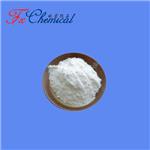
White crystalline solid, off-white powder, or
pinkish liquid. Slightly sweet, musty odor;
Mepiquat Chloride is a plant growth regulator used to improve crop quality and maximize yield.
The industrial synthesis of mepiquat chloride begins with the preparation of N-methylpiperidine, which serves as the core nitrogen-containing ring. This intermediate undergoes quaternisation, a key step where it reacts with chloromethyl compounds such as methyl chloride or chloromethyl acetate under controlled temperature and pressure to form the quaternary ammonium salt, mepiquat chloride. The reaction is typically carried out in aqueous or polar organic solvents, and the product is isolated by crystallisation or solvent evaporation. Continuous production methods have been developed to improve efficiency and reduce waste, including inline monitoring and purification systems.
ChEBI: A quaternary ammonium salt consisting of equimolar amounts of mepiquat cations and chloride anions. A plant growth regulator, it is used in agriculture to reduce vegetative growth including sprout suppression in garlic, leeks and onions.
Moderately toxic by ingestion. Low toxicity by inhalation and skin contact.
Herbicide, Plant growth regulator: Registered solely for cotton, to control the growth
and yield.
BAS 083 01 W®; BAS 85559X®;
MEPEX®; MEPICHLOR®; MEPPLUS®; PIX®;
PONNAX®; ROQUAT®; TERPAL® (with Ethephon)
Gibberellin biosynthesis inhibitor
A quarternary ammonium salt herbicide and plant growth regulator registered solely for use on
cotton, to control growth and yield
UN3077 Environmentally hazardous substances,
solid, n.o.s., Hazard class: 9; Labels: 9-Miscellaneous hazardous material, Technical Name Required
Decomposes in temperatures above
320℃. Incompatible with oxidizers (chlorates, nitrates, peroxides, permanganates, perchlorates, chlorine, bromine,
fluorine, etc.); contact may cause fires or explosions. Keep
away from alkaline materials, strong bases, strong acids,
oxoacids, epoxides.
Do not discharge into drains
or sewers. Dispose of waste material as hazardous waste
using a licensed disposal contractor to an approved landfill.
Consult with environmental regulatory agencies for guidance on acceptable disposal practices. Incineration with
effluent gas scrubbing is recommended. In accordance
with 40CFR165, follow recommendations for the disposal
of pesticides and pesticide containers. Noncombustible containers should be compacted and buried under more than
16 in/40 cm. of soil. Must be disposed properly by
following package label directions or by contacting your
local or federal environmental control agency, or by
contacting your regional EPA office.