Soluble in organic solvents such as methanol, ethanol, and DMSO.
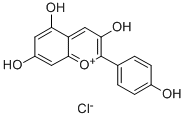
Pelargonidin chloride can be involved in pharmacological studies investigating the use of flavonoids as inhibitors of CD381Antioxidant and anthocyanidin; founded in various natural sources evaluated for inhibitory effects on colon and liver cancer cells ; used as hyroperoxide and hydrogen peroxide scavenging substance3; and used to study relationship between structure, antioxidant capacity and redox potentials.
The aglucone of Pelargonin. Pelargonidin, an anthocyanidin, was tested for its antidiabetic potential.
ChEBI: An anthocyanidin chloride that has pelargonidin as the cationic counterpart.
Antioxidant and anthocyanidin.
Pelargonidin (3 mg/kg; ip; once) chloride improves Aβ-induced memory and learning impairment in Morris water maze (MWM), increases the antioxidant power of hippocampus homogenate[3].
| Animal Model: | 250-300 g, 12 weeks Wistar rats (Aβ 25-35 (1 μg/μL for 5 μL, injectes bilaterally into the hippocampi)[3] |
| Dosage: | 3 mg/kg |
| Administration: | IP; once |
| Result: | Significant decreased in escape latency and traveled distance in comparison to the Aβ-treated group, increased the antioxidant power of hippocampus homogenate. |