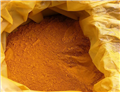
Lignin is insoluble in neutral liquids and organic solvents. To make lignin, there are two most common methods for separating cellulose, hemicellulose, and lignin; then calcium lignosulfonate is made from the (lignin-containing) pulp waste stream.
1. Sulphite pulp method This is a familiar hot acid solution of acidic calcium sulphite is used to treat the wood chips, in this cooking process part of the lignin is sulfonated, but also hydrolysis of the bonds occurs at the same time. The hydrolysis enables the lignosulfonate molecules to be solubilized in the slurry, and is also accompanied by the obtaining of other soluble (e.g., glycoconjugates) products, the solubility of which is essentially fixed.
2. Kraft pulp (i.e., sulfate) method
Another method is to treat the wood chips with a hot strong alkali solution, pH controlled in the range of 13~14, resulting in a mother liquor in which all the lignin is dissolved in, while hemicellulose is only partially dissolved in. The dissolved product can be modified to obtain different properties and a variety of specifications, thus making it a broad application prospects.