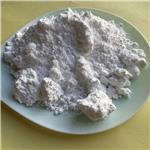
A white, yellowish-white or grayish-white powder or granules,
hygroscopic after drying.
soluble in cold water, flocculates at elevated temperatures
Water retention aid, thickening agent, protective colloid, suspending agent, binder and stabilizer.
Pharmaceutical Applications
Hydroxyethylmethyl cellulose is used as an excipient in a wide
range of pharmaceutical products, including oral tablets and
suspensions, and topical gel preparations. It has similar properties
to methylcellulose, but the hydroxyethyl groups make it more
readily soluble in water and solutions are more tolerant of salts and
have a higher coagulation temperature.
Hydroxyethylmethyl cellulose is used as an excipient in various oral
and topical pharmaceutical preparations, and is generally regarded
as an essentially nontoxic and nonirritant material.
Hydroxyethyl methyl cellulose is prepared from refined cotton using ethylene oxide and chloromethane as etherifying agents. Steps: 1) A mixture of toluene and isopropanol, water, and NaOH are added to the reactor, heated and held. 2) Temperature is lowered, refined cotton is added, solvent is sprayed, vacuum is applied and nitrogen is purged for displacement, then alkalization is performed. 3) Vacuum is applied, ethylene oxide and chloromethane are added. Etherification occurs in two stages with controlled temperature and pressure. 4) The mixture is pressed into a desolvation kettle containing glacial acetic acid for neutralization. Temperature is raised for desolvation, and pH is adjusted. 5) Centrifugal separation, then transfer to a washing kettle for washing. 6) After centrifugation, the material is fed into a dryer, dried, crushed, and packaged.
Hydroxyethylmethyl cellulose is hygroscopic and should therefore
be stored under dry conditions away from heat.
GRAS listed. Included in nonparenteral medicines licensed in
Europe (oral suspensions, tablets, and topical preparations).