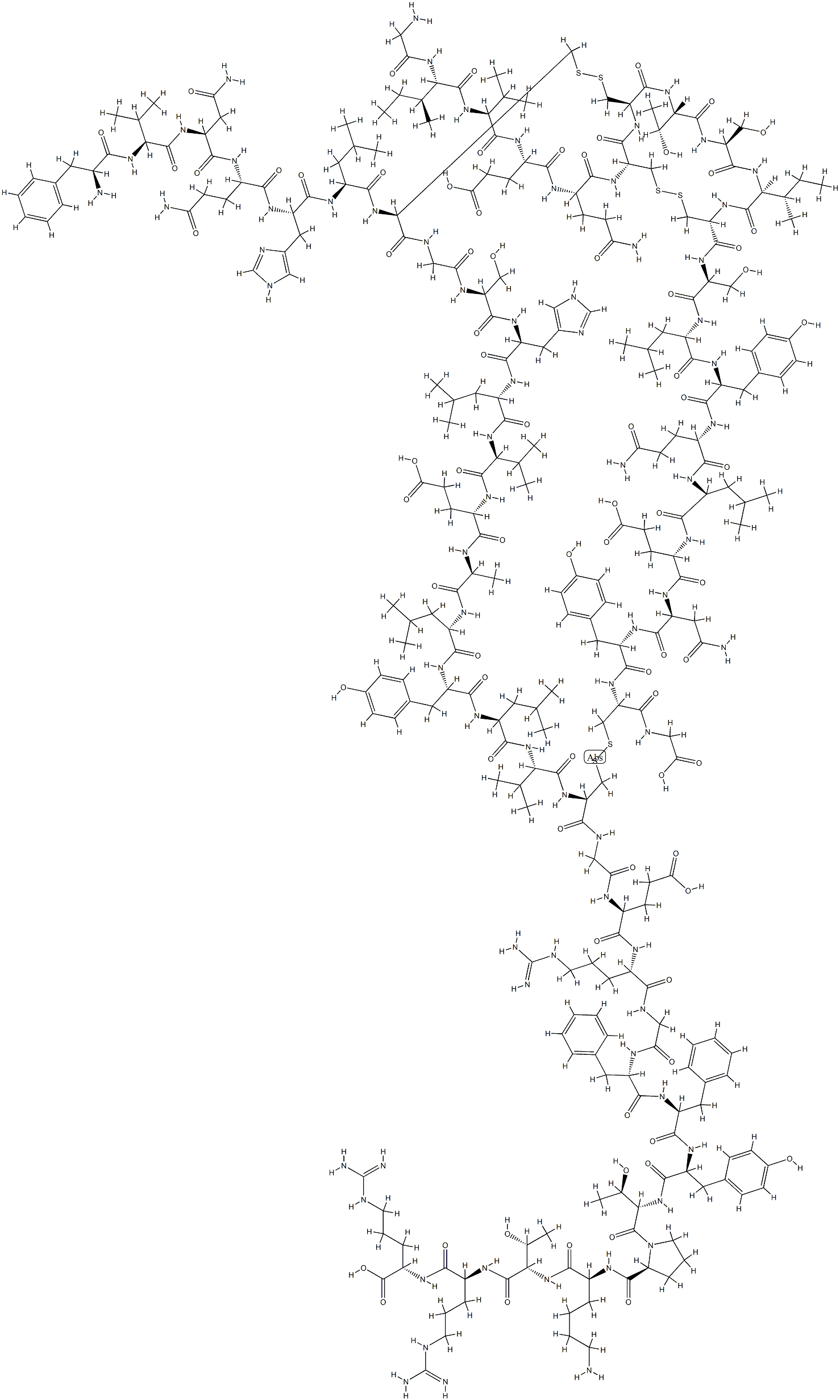
long-acting basal insulin analogue, helping control the blood sugar level of those with type 1 and type 2 diabetes mellitus. It is an analogue of human insulin made by replacing the asparagine residue at position A21 of the A-chain with glycine and adding
Insulin Glargine (>90%) is an insulin analogue used in the treatment of adults with type 1 or type 2 diabetes.
Lantus (Hoechst Marion Roussel).
Insulin glargine is an approved long-acting insulin analog used for management of Diabetes Type 1 and Type 2. Insulin glargine is a human insulin analog where A-chain asparagine 21 was replaced by glycine and B-chain carboxy terminal was extended by two arginine residues.
Insulin glargine (2-12.5 IU/kg; subcutaneous injection; 3-12 months) does not present a carcinogenic risk in rodents[2].
Insulin glargine (450 mg/kg; subcutaneous injection; 6 months) has an improving effect in a mouse model of diabetes[3].
| Animal Model: | Seven-week-old male db/db mice[3] |
| Dosage: | 450 mg/kg |
| Administration: | Subcutaneous injection (s.c.); 6 months |
| Result: | Significantly improved glucose tolerance.
Upregulated pancreatic β-cell functional genes, such as INS1, Pdx1, Pax4 and Pax6.
|