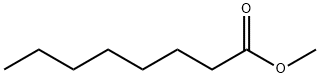
Description
Methyl octanoate has a powerful, winey, fruity, and orange-like
odor with an oily, somewhat orange taste. Prepared from coconut
fatty acids by alcoholysis in the presence of gaseous HCL.
Occurrence
Reported found in apples, apricot, orange juice, coconut, pineapple, pear, strawberry, citrus peel oils, grapes,
papaya, blackberry, kohlrabi, peas, potato, tomato, clove bud, pepper, many cheeses, butter, hop oil, cognac, rum, cider, grape wines,
black tea, durian (Durio zibethinus), olive, passion fruit, plum, plumcot, mushrooms, starfruit, fruit brandies, quince, soursop, wort,
cherimoya, kiwifruit, mountain papaya, custard apple, nectarine, naranjilla, lamb’s lettuce, mussels, cape gooseberry, spineless mon�key orange, pawpaw and rooibus tea (Aspalathus linearis)
References
[1] De Souza, F.I., Zumiotti, A.V., and Da Silva, C.F. Neuregulins 1-α and 1-β on the regeneration the peripheral nerves[J]. Acta Ortop Bras.
[2] DIMITRIOS KOURKOUTAS Donald S M J Stephen Elmore. Comparison of the volatile compositions and flavour properties of cantaloupe, Galia and honeydew muskmelons[J]. Food Chemistry, 2006, 97 1: Pages 95-102. DOI:
10.1016/j.foodchem.2005.03.026