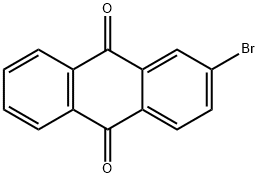
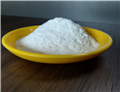
In a 25 mL single-necked round-bottom flask, phthalic anhydride (1 mmol), substituted benzene (1.1 mmol), and water (5 mL) were mixed, and 25 mol% of the alum was added. The reaction mixture was stirred at room temperature for an appropriate time (Table 2, entry 3 (aj)), and the reaction was monitored by TLC. After the reaction was complete, the mixture was extracted with ethyl acetate (2–10 mL). The combined organic layers were dried over anhydrous Na₂SO₄ and evaporated under reduced pressure; the crude material was purified by silica gel column chromatography to give the product 2-bromoanthraquinone. Yield: 80% mol ...
2-Bromoanthraquinones use 9,10-diananthrone as their parent nucleus and are reduced to anthraquinone, anthrone, and anthraquinone structures to varying degrees. Lateral groups can be replaced by hydroxyl, methoxy, methyl, hydroxymethyl, halogen, glycoside, and other groups. Due to the presence of numerous chromophores and auxochromes in the parent nucleus, anthraquinone compounds exhibit deep colors and fluorescence.