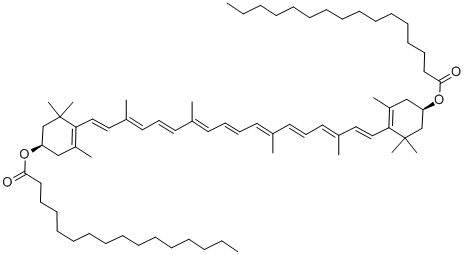
Zeaxanthin dipalmitate (10 mg/kg; p.o.; daily for 2 weeks) reduces the serum ALT and AST levels increased by long-term ethanol challenge in at AFLD Model[1].
Zeaxanthin dipalmitate (10 mg/kg; p.o.; daily for 2 weeks) effectively attenuates the histological injury[1].
Zeaxanthin dipalmitate (10 mg/kg; p.o.; daily for 2 weeks) attenuates the AFLD-induced hepatic apoptosis (reveal by caspase-3/7 activity) and inflammation (TNF-α) in rat[1].
Zeaxanthin dipalmitate (approximately 4 μM; intravitreal injection for once) improves the visual behavior of rd10 mice and delays the degeneration of retinal photoreceptors[2].
Zeaxanthin dipalmitate (approximately 4 μM; intravitreal injection for once) improves the light responses of photoreceptors, bipolar cells and retinal ganglion cells[2].
Zeaxanthin dipalmitate (approximately 4 μM; intravitreal injection for once) reduces the expression of genes that are involved in inflammation, apoptosis and oxidative stress in rd10 mice[2].