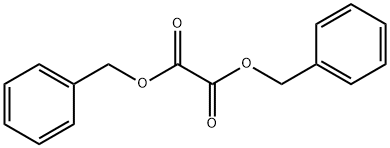
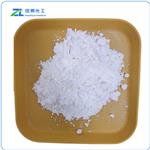
In a 100mL three-necked flask equipped with a thermometer, a water separator, and a reflux condenser, add the experimental amounts of oxalic acid, benzyl alcohol, and a dehydrating agent. Heat and stir until the oxalic acid is completely dissolved. Then add a certain amount of catalyst and heat under reflux until no water droplets are formed in the water separator, indicating that the reaction is complete. Next, change the reactor to a distillation apparatus to distill off most of the dehydrating agent. Pour the remaining reaction solution into 100g of crushed ice while hot, resulting in the formation of a large amount of white precipitate. Let it stand until precipitation is complete, filter, wash the filter cake twice with distilled water, and dry it. Remove the filter cake and recrystallize it with 50mL of ethanol, resulting in white flaky crystals. Filter, dry, weigh, and calculate the yield of dibenzyl oxalate.