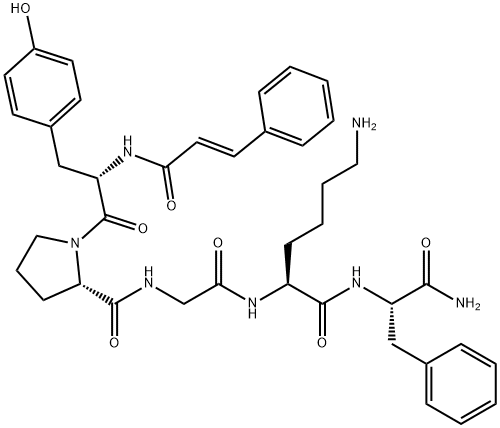
tcY-NH2 (tail vein injection, 0.6 mg/kg for a single dose) alleviates liver injury in Brain death (BD) rat model, indicated by lower serum ALT/AST levels and better histomorphology[3].
tcY-NH2 (intraperitoneal injection, 0.6 mg/kg for a single dose) increases posttraumatic activation of CD4+ Tregs within the draining lymph nodes in burn injury mice model [4].
tcY-NH2 (intrapleural injection, 40 ng/kg for a single dose) inhibits neutrophil recruitment in experimental inflammation in mice[6].
| Animal Model: | Brain death (BD) rat model[3] |
| Dosage: | 0.6 mg/kg for a single dose |
| Administration: | Tail vein injection for a single dose |
| Result: | Reduced blood platelet activation and hepatic platelet accumulation.
Attenuated the inflammatory response and apoptosis in the livers.
Inhibited the activation of NF-κB and MAPK pathways induced by Brain death (BD).
|
| Animal Model: | Burn injury model of C57BL/6 N mice[4] |
| Dosage: | 0.6 mg/kg for a single dose |
| Administration: | Intraperitoneal injection |
| Result: | Increased expression and phosphorylation of PKC-θ in the presence of platelets, without affecting early posttraumatic hemostasis.
|
| Animal Model: | BALB/c mice[6] |
| Dosage: | 40 ng/kg for a single dose |
| Administration: | Intrapleural injection |
| Result: | Abolished the number of rolling and adhering neutrophils on the vessel wall.
Inhibited CXCL8- and Cg-induced neutrophil migration into the pleural cavity of mice.
|