Chemical Properties
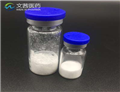
white crystalline low melting mass
Uses
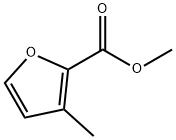
Methyl 3-Methylfuroate is a volatile substance in the unfermented apple pomace.
Uses
Methyl 3-methyl-2-furoate is an important raw material used in organic synthesis, pharmaceuticals, agrochemicals and dyestuffs.It is a volatile substance in the unfermented apple pomace.
Synthesis Reference(s)
The Journal of Organic Chemistry, 21, p. 102, 1956
DOI: 10.1021/jo01107a021
Synthesis
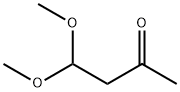
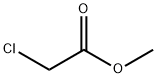
GENERAL STEPS: 4,4-dimethoxy-2-butanone (80 mL, 0.60 mol) and methyl chloroacetate (90 mL, 1.03 mol) were added to stirred ether (500 mL) under nitrogen protection and cooled to -5°C. The reaction temperature was kept at -5°C for a few minutes. Sodium methanol (54 g, 1.00 mol) was added slowly, keeping the reaction temperature at -5 °C. The reaction mixture was stirred at -5 °C for 2 h and then brought to room temperature and continued to stir overnight. Upon completion of the reaction, a mixture of glacial acetic acid (7 mL) and water (93 mL) was slowly added at 0 °C. The organic layer was separated and the aqueous phase was washed with ether. The organic layers were combined, washed with saturated sodium bicarbonate solution, then brine, dried over anhydrous sodium sulfate, filtered and concentrated under reduced pressure. The residue was purified by distillation (boiling point 72-78 °C/8 mmHg) to give 2-methoxycarbonyl-3-methylfuran (71 g, 0.51 mol, 85% yield). 2-Methoxycarbonyl-3-methylfuran (26 g, 0.19 mol) was mixed with 20% aqueous sodium hydroxide solution (60 mL) and stirred at reflux for 2 hours. After cooling to 0 °C, concentrated hydrochloric acid (35 mL) was slowly added to precipitate colorless crystals of 3-methylfuran-2-carboxylic acid (3.20 g, 15% yield). A mixture of 3-methylfuran-2-carboxylic acid (3.20 g, 29 mmol), copper powder (0.90 g, 14.2 mmol), and quinoline (10 mL, 84.4 mmol) was heated to 260 °C, and a fraction with a boiling point of 65.5 °C was collected to give 3-methylfuran (colorless liquid, 65-70% yield).
References
[1] Journal of Photochemistry and Photobiology A: Chemistry, 2017, vol. 349, p. 7 - 17
[2] Journal of Organic Chemistry, 1956, vol. 21, p. 102
[3] Org. Synth. Coll. Vol., 1963, vol. IV, p. 628
[4] Tetrahedron, 1998, vol. 54, # 26, p. 7525 - 7538