Dihexa: Benefits and Side Effects
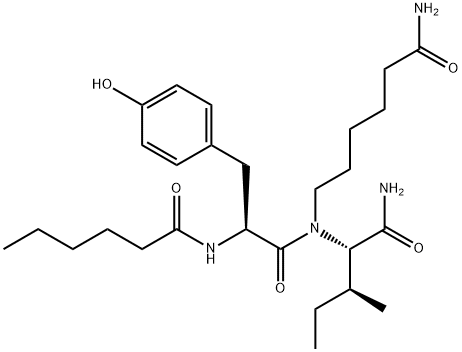
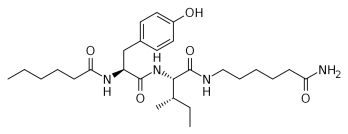
The HGF mimetic Dihexa is a synthetically derived Angiotensin IV analog that is blood-brain barrier permeable, stable, and orally bioavailable. McCoy et al. found that Dihexa treatment ameliorated memory loss in a rat model of Parkinson's Disease. Dihexa can bind to and dimerize HGF, forming a functional ligand and thereby activating c-Met. HGF signaling is linked to neural protection in rodents both in vitro and in vivo, making a strong case for a small molecule activator of HGF/c-Met to confer a neuroprotective benefit.[1]

Benefits
Treatment of TBI with neurotrophic factors holds substantial promise, and research represents the evidence that a small molecule activator of the HGF/MET system can improve cognitive function following repeated mild TBI. In one study[2], researchers found dihexa ameliorated deficits in working memory performance in rats following a repetitive mild TBI. They further observed that the procognitive effects of dihexa were blocked by Hinge, an HGF/MET dimerization antagonist, indicating these actions are mediated by HGF/MET signaling pathways.
The current observations indicate the HGF/MET activator, dihexa, can dose-dependently ameliorate working memory deficits in a rodent model of repeated mild TBI. This action may be dependent on increased intracellular Ca2+ signaling following MET activation. Together, these findings indicate that HGF and possibly other growth factors hold promise for treating the neurocognitive sequela, following TBI, as small molecule, HGF/MET activators currently in clinical trials may provide an accelerated path for testing its clinical efficacy in TBI patient populations.
Side effects
Dihexa is an experimental, unapproved synthetic peptide and angiotensin IV derivative. Because no large-scale human clinical trials or systematic safety data exist for Dihexa, its side effects are not clear.
Therapeutic peptides, such as dihexa, are generally considered safe with low immunogenicity and a favorable adverse effect profile compared with many pharmacologic agents. Among the most frequently reported adverse effects are minor and self-limiting such as local injection site erythema, transient hormonal shifts, and receptor desensitization with prolonged or high-frequency use. The current body of clinical experience suggests that these compounds are well tolerated when prescribed with proper clinical oversight. Still, formal large-scale safety studies will be essential to solidify best practices.[3]
References
[1] Uribe, P. M., Kawas, L. H., Harding, J. W., & Coffin, A. B. (2015). Hepatocyte growth factor mimetic protects lateral line hair cells from aminoglycoside exposure. Frontiers in Cellular Neuroscience, 3. https://doi.org/10.3389/fncel.2015.00003
[2] Martino, K. A., Nakhre, A., Demarest, R. M., & Devilbiss, D. M. (2025). Hepatocyte Growth Factor/MET Activator Rescues Working Memory Deficits after Repeated Mild Traumatic Brain Injury. Neurotrauma Reports, 6 1, 991–998. https://doi.org/10.1177/2689288X251392851
[3] Rahman, O. F., Lee, S. J., & Seeds, W. A. (2026). Therapeutic Peptides in Orthopaedics: Applications, Challenges, and Future Directions. Journal of the American Academy of Orthopaedic Surgeons Global Research and Reviews, 10 1. https://doi.org/10.5435/JAAOSGlobal-D-25-00236
You may like
Related articles And Qustion

See also


Lastest Price from Dihexa manufacturers

$1.002026-10-10
- CAS:
- 1401708-83-5
- Min. Order:
- 1BOX
- Purity:
- 99%
- Supply Ability:
- 100000000 BOX

2026-09-23
- CAS:
- 1401708-83-5
- Min. Order:
- 1g
- Purity:
- 99.9
- Supply Ability:
- 80000 kg