### Silybin: Definition, Functions, and Applications
#### Definition
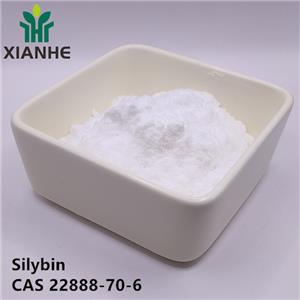
Silybin is a bioactive flavonolignan compound extracted from the seeds of *Silybum marianum* (milk thistle). It is the most potent component of silymarin, a complex of flavonolignans known for its hepatoprotective properties.
#### Functions
1. **Liver Protection**: Silybin stabilizes liver cell membranes, inhibits lipid peroxidation, and promotes liver cell regeneration, making it effective against liver damage caused by toxins, alcohol, and diseases like hepatitis and cirrhosis.
2. **Anti-inflammatory and Antioxidant**: It reduces inflammation by inhibiting NLRP3 inflammasome activation and lowers oxidative stress by scavenging free radicals and enhancing antioxidant enzyme activity.
3. **Lipid Metabolism Regulation**: Silybin improves lipid profiles by activating PPARα, reducing liver fat accumulation, and lowering serum triglycerides and cholesterol levels.
4. **Antifibrotic Effects**: It inhibits hepatic stellate cell activation, preventing liver fibrosis and cirrhosis.
#### Applications
1. **Pharmaceuticals**: Widely used in liver disease treatments, including hepatitis, non-alcoholic fatty liver disease (NAFLD), and drug-induced liver injury.
2. **Nutraceuticals**: Incorporated into dietary supplements for liver health and detoxification.
3. **Cosmetics**: Added to skincare products for its anti-inflammatory and antioxidant properties.
4. **Research**: Studied for its potential in cancer prevention, neuroprotection, and metabolic syndrome management.

 China
China