### Sinomenine Hydrochloride: Definition, Functions, and Applications
#### Definition
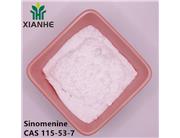
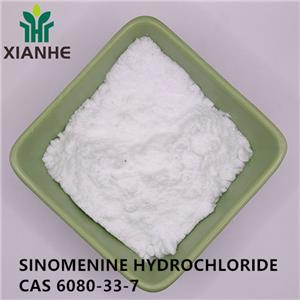
Sinomenine Hydrochloride (C19H24ClNO4) is a natural alkaloid derived from the root of *Sinomenium acutum*, a traditional Chinese medicinal plant. It is a morphinan analog with a molecular weight of 365.8 Da and a purity of over 98%.
#### Functions
1. **Anti-inflammatory and Analgesic Effects**: Sinomenine Hydrochloride effectively inhibits pro-inflammatory mediators and reduces pain, making it valuable in treating inflammatory conditions.
2. **Immunomodulation**: It modulates immune responses by inhibiting NF-κB activation, which plays a key role in inflammation and autoimmune diseases.
3. **Neuroprotection**: It protects against neuroinflammation by inhibiting microglial activation and reducing oxidative stress.
4. **Histamine Release**: It induces histamine release from mast cells, contributing to its anti-allergic properties.
#### Applications
1. **Rheumatoid Arthritis (RA) Treatment**: Sinomenine Hydrochloride is widely used in RA therapy due to its anti-inflammatory and immunomodulatory effects. Novel delivery systems, such as microneedles and nanoparticles, enhance its bioavailability and reduce side effects.
2. **Transdermal Drug Delivery**: Microneedle arrays loaded with Sinomenine Hydrochloride provide a non-invasive, effective method for sustained drug release, improving patient compliance.
3. **Research and Development**: It is used in studies related to stem cell renewal, neuroinflammation, and cancer research due to its unique biological activities.


 China
China