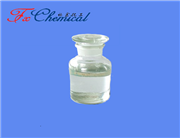
Vitamin A palmitate Cas 79-81-2
Specification
Items | Specifications | Results |
Appearance | A light yellow solid or yellow oily liquid | Conform |
Identification Thin-Layer Chromatography Color reaction | Conform Conform | Conform Conform |
Related substances A300/A326 A350/A326 A370/A326 | ≤0.60 ≤0.54 ≤0.14 | 0.56 0.52 0.11 |
Assay Expressed as intermational units Expressed as retinol activity equivalents | ≥1700000IU/g ≥510000mcg RAE/g | 1816000IU/g 544800mcg RAE/g |
Acid Value | ≤2.0mg/g | 0.45mg/g |
Peroxide Value | ≤10.0meq/kg | 1.4meq/kg |
Retinol | ≤1.0% | <0.05% |
Residual solvent | Conform to ICH | Certified |
Heavy metals | ≤5mg/kg | Certified |
Arsenic | ≤1mg/kg | Certified |
Lead | ≤2mg/kg | Certified |
Mercury | ≤0.1mg/kg | Certified |
Cadmium | ≤1mg/kg | Certified |
Microbiological Tests |
|
|
Total mold&yeast count | ≤100CFU/g | Certified |
Total aerobic microbial count | ≤1000CFU/g | Certified |
Coliforms | ≤ 3.0MPN/g | Certified |
Salmonella | n.d./25g | Certified |
E.Coli | ≤10CFU/g | Certified |
Staphylococcus aureus | n.d./25g | Certified |
Conclusion | The product conforms to the above specifications. |
Welcome to contact with us to get more information.
Vitamin A palmitate is a form of vitamin A, specifically the ester of retinol (the alcohol form of vitamin A) and palmitic acid. It is also known as retinyl palmitate.
Chemical Nature:
Formula: C₃₆H₆₀O₂
It is a fat-soluble compound, stable under normal storage conditions, which makes it suitable for use in dietary supplements and fortified foods.
Key Uses of Vitamin A Palmitate:
1. Dietary Supplements
Used to prevent or treat vitamin A deficiency, which can cause night blindness, dry skin, and impaired immune function.
Commonly found in multivitamins and standalone vitamin A supplements.
2. Food Fortification
Added to foods like milk, cereals, margarine, and infant formulas to ensure adequate vitamin A intake in populations at risk of deficiency.
Preferred over other forms because of its stability and bioavailability.
3. Cosmetics and Skincare Products
Used in anti-aging creams, moisturizers, and sunscreen formulations.
In the skin, it’s converted to retinol and then to retinoic acid, which can promote cell turnover and collagen production.
However, it is less potent than prescription retinoids like tretinoin.
4. Pharmaceutical Applications
Included in some eye health formulations due to vitamin A’s role in maintaining vision (especially rhodopsin production in the retina).
Used in treatments for certain skin disorders when combined with other agents.
Safety Considerations:
Fat-soluble, so excess intake can lead to hypervitaminosis A (vitamin A toxicity), causing symptoms like dizziness, nausea, headaches, and liver damage.
Not recommended in high doses during pregnancy, as it may cause birth defects.
The recommended daily allowance (RDA) varies by age, sex, and life stage (e.g., ~700–900 µg RAE for adults).
Summary:
Vitamin A palmitate (retinyl palmitate) is a stable, bioavailable form of vitamin A widely used in:
Nutrition (supplements & fortified foods)
Skincare (anti-aging & moisturizing products)
Medical formulations
It plays essential roles in vision, immune function, skin health, and cellular growth, but should be used within safe dosage limits.
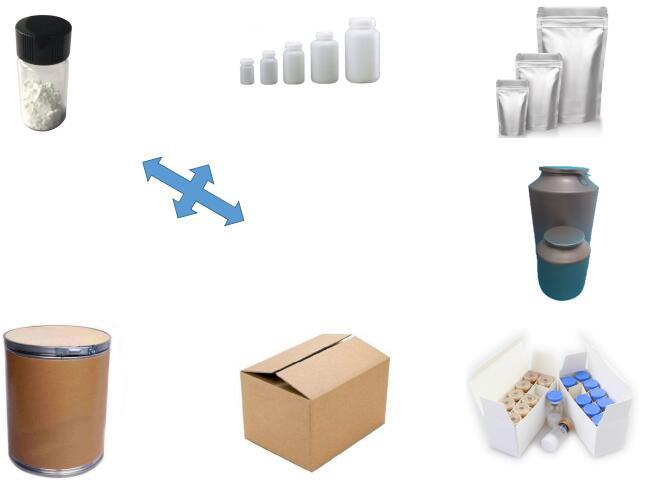
Packages
Delivery

Payment term
* Wire Transfer/Telegraphic Transfer
* Western Union
* MoneyGram
* L/C
Contact information
Spring Zhang
Email: export@fortunachem.com
Skype: Fortunachem201304
Wechat/Whatsapp: 18007136271
Tel: +86-27-59207892
Website: www.fortunachem.com




 China
China