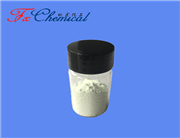
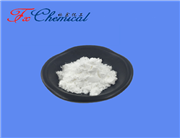
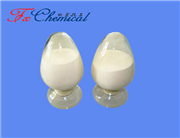
Rifampicin Cas 13292-46-1
Specification
Items | Specifications | Results |
Appearance | Reddish-brown or brownish-red, crystalline Powder. | Reddish-brown, crystalline Powder. |
Solubility | Slightly soluble in water, soluble in methanol, slightly soluble in acetone and in ethanol.
| Conform |
Identification 1) UV absorption 2) IR spectrum 3) Colour reaction | The ratio of absorption at 334nm to that at 475nm is about 1.75; Conforms with reference spectrum; The colour changes from orange-yellow to violet-red and no precipitate is formed.
| Conform Conform Conform |
pH | 4.5~6.5 | 5.4 |
Related Substances 1) Rifampicin Quinone 2) Any other impurity 3) Sum of impurities other than Rifampicin Quinone | Not more than 1.5% Not more than 1.0% Not more than 3.5% | 0.06% 0.6% 1.4% |
Loss on Drying | Not more than 1.0% | 0.1% |
Sulfated Ash | Not more than 0.1% | 0.07% |
Residual Solvents 1) 1-Butanol 2) Ethyl acetate 3) Butyl acetate 4) N,N-Dimethylformamide | Not more than 5000ppm Not more than 5000ppm Not more than 5000ppm Not more than 880ppm | Conform Conform Conform Conform |
Assay | It contains 97.0%~102.0% of C43H58N4O12, calculated on dried basis. | 99.8% |
Conclusion | The product conforms to the above specifications. |
Welcome to contact with us to get more information.
Rifampicin (also known as Rifampin in the United States) is a broad-spectrum antibiotic belonging to the rifamycin class. It is a critically important medication, primarily used to treat tuberculosis (TB) and other serious bacterial infections.
Its most remarkable feature is its potent ability to kill bacteria by inhibiting a key enzyme (RNA polymerase) needed for them to make essential proteins and replicate.
Primary and Major Uses
1. Tuberculosis (TB)
First-line treatment: Rifampicin is a cornerstone of the standard 6-month regimen for active, drug-sensitive tuberculosis. It is almost always used in combination with other antibiotics (like isoniazid, pyrazinamide, and ethambutol) to prevent the development of bacterial resistance.
Latent TB Infection: It is also used (often alone or with isoniazid) to treat people who have been exposed to TB and have a positive test but no active disease, preventing it from becoming active in the future.
2. Leprosy (Hansen's Disease)
3. Other Bacterial Infections & Prophylaxis
MRSA Infections: Used in combination therapy for serious infections like osteomyelitis or prosthetic joint infections caused by methicillin-resistant Staphylococcus aureus.
Legionnaires' Disease
Brucellosis
Prophylaxis for Close Contacts: Used to prevent infection in people exposed to certain dangerous bacteria, most notably:
Meningococcal Meningitis: Rifampicin is given to close contacts of someone infected with Neisseria meningitidis to eliminate carriage of the bacteria in the nose/throat and prevent outbreaks.
Haemophilus influenzae type b (Hib)
Mechanism of Action
Rifampicin works by inhibiting bacterial DNA-dependent RNA polymerase. This enzyme is essential for bacteria to transcribe DNA into RNA, the first step in protein synthesis. By blocking this process, Rifampicin effectively stops the bacteria from producing proteins necessary for their survival and replication, leading to bacterial death.
Important Considerations and Side Effects
Red/Orange Bodily Fluids: A well-known and harmless side effect. Rifampicin turns urine, sweat, tears, and saliva a reddish-orange color. It can also permanently stain soft contact lenses.
Hepatotoxicity: It can cause liver inflammation. Liver function tests are typically monitored during long-term therapy (like for TB).
Drug Interactions: Rifampicin is a very potent inducer of liver enzymes (cytochrome P450 system). This means it significantly speeds up the metabolism (breakdown) of many other drugs, making them less effective. This is a critical consideration for patients on:
Birth control pills (can cause contraceptive failure)
Warfarin and other blood thinners
HIV antiretroviral drugs (especially protease inhibitors and some NNRTIs)
Antifungals, immunosuppressants, and many others.
Other Side Effects: May include flu-like symptoms, gastrointestinal upset, and rash.
Resistance: Because resistance develops rapidly if used alone, Rifampicin is never used as a single agent to treat active infections (except in specific prophylaxis cases). It is always part of a combination therapy.
Key Takeaways
Class: Rifamycin antibiotic.
Core Use: First-line treatment for Tuberculosis (always in combination).
Other Key Uses: Leprosy, meningitis prophylaxis, and some other serious infections.
Famous Side Effect: Turns body fluids orange/red.
Major Issue: Severe drug interactions due to its effect on liver enzymes; patients must review all other medications with their doctor.
Disclaimer: This information is for educational purposes only. Rifampicin is a prescription medication and must be taken under the supervision of a healthcare professional.
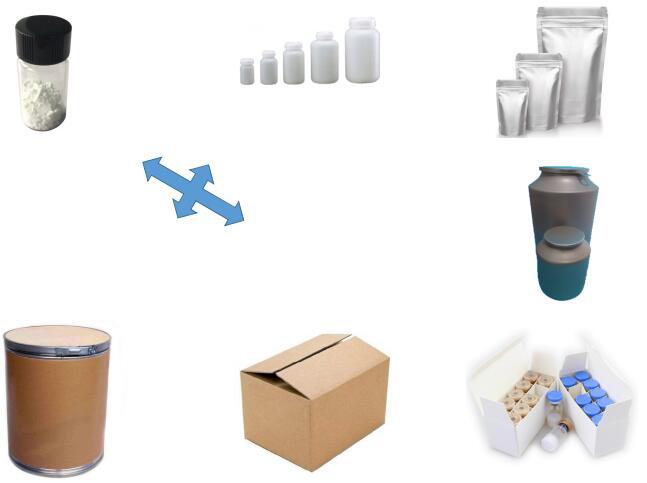
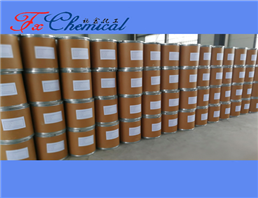
Packages
Delivery

Payment term
* Wire Transfer/Telegraphic Transfer
* Western Union
* MoneyGram
* L/C
Contact information
Spring Zhang
Email: export@fortunachem.com
Skype: Fortunachem201304
QQ:3169620873
Tel: +86-27-59207892
Website: www.fortunachem.com





 China
China