Under argon atmosphere, 1-bromo-2,5-difluorobenzene and triisopropyl borate were cooled to -90°C in a dry tetrahydrofuran solution and the reaction system was frozen for 30 minutes. Then, 2.5M n-butyllithium (in hexane) was slowly added dropwise to the reaction mixture, and the reaction mixture was diluted with cold tetrahydrofuran (3 mL). The reaction mixture was stirred at -90°C for 1 hour, and then the reaction mixture was heated to -10°C. After the reaction was completed, hydrochloric acid aqueous solution was added to the reaction mixture. The two phases were separated using a separatory funnel, and the aqueous phase was extracted three times with diethyl ether. The organic layers were combined, and the resulting diethyl ether layer was dried with anhydrous sodium sulfate. The sodium sulfate solid precipitate was removed by filtration, and the filtrate was concentrated under reduced pressure. The remaining precipitate was collected by filtration, washed with water (2 x 3 mL) and n-hexane (3 x 5 mL), and dried under vacuum at 50°C for 8 hours to obtain the target product, 2,5-difluorophenylboronic acid.
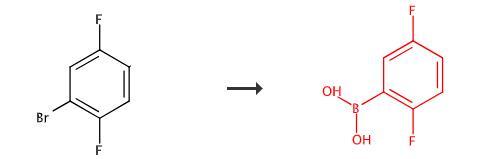
Figure 2,5-Difluorophenylboronic acid synthetic route