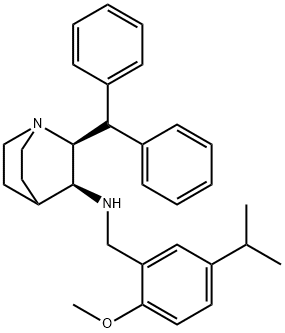
Ezlopitant (CJ-11,974; 2, 5, 10 mg/kg; i.p.; 30 minutes) decreases both sucrose and ethanol operant-self administration in rats[1].
Pharmacokinetic Parameters of Ezlopitant in Rat, Gerbil, Guinea pig, Ferret, Dog, Monkey [2].
| Rat (IV; 1 mg/kg) | Gerbil (IV; 1 mg/kg) | Guinea pig (IV; 0.2 mg/kg) | Ferret (SC; 0.8 mg/kg) | Dog (IV; 1 mg/kg) | Monkey (IV; 1 mg/kg) |
| Tmax (h) | 5.3 | 0.3 | 0.3 | | 0.9 | 0.8 |
| Cmax (ng/mL) | 18 | 5.98 | | 106 | 5.98 | 198 |
| AUC0-∞ (ngh/mL) | 257 | 125 | 35.5 | 528 | 634 | 478 |
| t1/2 (h) | 7.7 | 2.9 | 0.6 | 2.2 | 2.5 | 5.0 |
| CLp (mL/min/kg) | 65 | 136 | 98 | 27 | 27 | 42 |
| F (%) | 15 | 2.1 | | 17 | 28 | 2.7 |
| Animal Model: | Male, Long-Evans rats (233±2 g)[1] |
| Dosage: | 2, 5 or 10 mg/kg |
| Administration: | IP; single dose |
| Result: | Attenuated the number of active lever presses for 5% sucrose.
Highest dose significantly inhibited operant self-administration of 10% ethanol compared with vehicle.
|