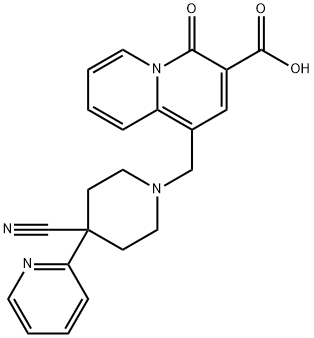
PQCA (3-30 mg/kg; oral administration; single- or pair-housed male rhesus monkeys) treatment attenuates the scopolamine deficits in PAL and CPT tasks. Blockade of muscarinic signaling by scopolamine produces significant impairments in both tasks[1].
| Animal Model: | Ten single- or pair-housed male rhesus monkeys (6-10 years old; 5.2-10.5 kg) with scopolamine[1] |
| Dosage: | 3 mg/kg, 10 mg/kg, or 30 mg/kg |
| Administration: | Oral administration |
| Result: | Attenuated the scopolamine deficits in paired-associates learning (PAL) and the continuous-performance task (CPT).
|