Biological Activity
pik-iii is a vps34 inhibitor and is able to inhibit autophagy.vps34 kinase has been found to be responsible for synthesis and deposition of phosphatidylinositol-3-phosphate at autophagosome formation sites, resulting in the recruitment of ptdins(3)p-binding proteins.
Synthesis
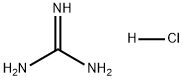
Examples 10a-10v General method for the synthesis of 4'-(cyclopropylmethyl)-N-pyridin-4-yl-4,5'-bipyrimidinyl-2,2'-diamine. Preparation of 4'-(cyclopropylmethyl)-N-pyridin-4-yl-[4,5']bipyrimidinyl-2,2'-diamine (10a): to a (3Z)-1-cyclopropyl-4-(dimethylamino)-3-[2-(pyridin-4-ylamino)pyrimidin-4-yl]but-3-en-2-one (9) (80 mg, 0.247 mmol) of DMF (2.061 mL ) solution was added guanidine hydrochloride (35.3 mg, 0.371 mmol) and potassium carbonate (103 mg, 0.742 mmol) and the reaction mixture was heated at 60 °C for 4 hours. The crude product was purified by reversed-phase HPLC [30-90% organic phase over 15 min], followed by further purification using Biotage silica gel chromatography [10 g SNAP column, 100% DCM to 12% MeOH/DCM] to afford the target product as a white solid (24.72 mg, 31.3% yield).1H NMR (400 MHz, MeOD) δ ppm 0.01-0.14 (m, 2H), 0.39 (q, J = 6.06 Hz, 2H), 0.94-1.10 (m, 1H), 2.87 (d, J = 7.07 Hz, 2H), 7.10 (d, J = 5.05 Hz, 1H), 7.83 (d, J = 6.57 Hz, 2H), 8.30 (d, J = 6.57 Hz , 2H), 8.41 (s, 1H), 8.57 (d, J = 5.05 Hz, 1H). HRMS (ES+) C17H17N7H+ [MH+] calculated value: 320.1624; measured value: 320.1636. UV-LC: 100% UV purity at 254/214 nm; tR = 4.67 min, total run time 7.75 min.
in vitro
in previous study, pik-iii was identified as a selective inhibitor of vps34 binding in a hydrophobic pocket. in addition, pik-iii could acutely inhibit the autophagy and lipidation of lc3, which led to the stabilization of autophagy substrates. moreover, substrates such as ncoa4 were identified by conducting ubiquitin-affinity proteomic assay on pik-iii-treated cells, which accumulated in cells with atg7 deficience and co-localized with autolysosomes. ncoa4 could bind ferritin heavy chain-1 directly to target the iron-binding ferritin complex following starvation or iron depletion [1].
in vivo
animal study showed that pik-iii-treated ncoa4-/- mice had a profound accumulation of iron in splenic macrophages that were important for iron reutilization from engulfed red blood cells. in summary, such in vivo results provided a novel mechanism for selective autophagy of ferritin and revealed a previously untouched role for autophagy and ncoa4 in the control of in-vivo iron homeostasis [1].