Chemical Properties
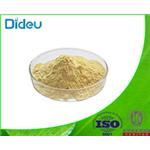
A clarified amber to dark brown liquid preparation, or a white to light tan powder. The main enzymes are α-amylase (liquefying enzyme) and β-amylase (maltogenic enzyme).α-amylase mainly hydrolyzes the α-1,4-glucan bonds in polysaccharides such as starch and glycogen into dextrin, oligosaccharides, and monosaccharides.β-amylase mainly hydrolyzes the α-1,4-glucan bonds in polysaccharides such as starch and glycogen into β-maximal dextrin.
Uses
α-glucosidase is potential enzyme for the biosynthesis of complex carbohydrates.
Uses
For the determination of α-amylase and the synthesis of various 1′-
O-sucrose and 1-
O-fructose esters
Definition
(glucase; α-glucosidase). An enzyme
that hydrolyzes maltose to glucose. Occurs in the
small intestine, in yeast, molds, and malt; usually
associated with the enzyme amylase.
General Description
This product has been enhanced for energy efficiency and waste prevention when used in starch hydrolysis research.
Biochem/physiol Actions
Hydrolysis of terminal, non-reducing 1→4-linked D-glucose residues with release of D-glucose.
in vivo
α-Glucosidase, Yeast is a membrane bound enzyme present in the epithelium of the small intestine, which works to facilitate the absorption of glucose by the small intestine by catalyzing the hydrolytic cleavage of oligosaccharides into absorbable. Inhibiting α-Glucosidase slows the elevation of blood sugar following a carbohydrate meal[1].