Chemical Properties
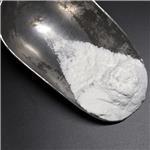
yellow-beige to orange-brown powder
Uses
- Reactant for preparation of D-glutamic acid-based inhibitors of E. coli MurD ligase
- Reactant for preparation of indolylindazoles and indolylpyrazolopyridines as interleukin-2 inducible T cell kinase inhibitors
- Reactant for preparation of amide conjugates with ketoprofen, as inhibitors of Gli1-mediated transcription in Hedgehog pathway
- Reactant for preparation of piperazine-bisamide analogs as human growth hormone secretagogue receptor antagonists for treatment of obesity
- Reactant for preparation of pyridinyl carboxylates via esterification with chlorohydroxypyridine as SARS-CoV 3CL proinhibitors
- Reactant for preparation of (indolecarbonyl)-D-phenylglycinamide amides as factor Xa inhibitors
Uses
• ;Reactant for preparation of D-glutamic acid-based inhibitors of E. coli MurD ligase1• ;Reactant for preparation of indolylindazoles and indolylpyrazolopyridines as interleukin-2 inducible T cell kinase inhibitors2• ;Reactant for preparation of amide conjugates with ketoprofen, as inhibitors of Gli1-mediated transcription in Hedgehog pathway3• ;Reactant for preparation of piperazine-bisamide analogs as human growth hormone secretagogue receptor antagonists for treatment of obesity4• ;Reactant for preparation of pyridinyl carboxylates via esterification with chlorohyd
Uses
Reactant for preparation of D-glutamic acid-based inhibitors of E. coli MurD ligase Reactant for preparation of indolylindazoles and indolylpyrazolopyridines as interleukin-2 inducible T cell kinase inhibitors Reactant for preparation of amide conju
Synthesis Reference(s)
Journal of Medicinal Chemistry, 35, p. 2419, 1992
DOI: 10.1021/jm00091a010
Synthesis
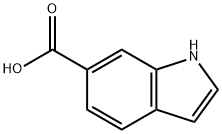
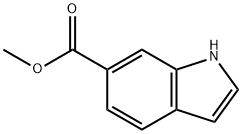
(c) Methyl indole-6-carboxylate (11.0 g) was dissolved in a solvent mixture of tetrahydrofuran (150 ml), methanol (150 ml) and water (63 ml) and lithium hydroxide monohydrate (15.8 g) was added. The reaction mixture was stirred at 60 °C for 6 h. After completion of the reaction, the organic solvent was removed by concentration under reduced pressure. The residue was dissolved in water and acidified with 50% (v/v) hydrochloric acid to pH < 3. The precipitate precipitated was collected by filtration and dried to give indole-6-carboxylic acid (9.6 g, 95% yield) as a tan powder with a melting point of 253°C-254°C. The NMR hydrogen spectroscopic (80 MHz, CDCl3) data were as follows: δ 6.51 (m, 1H, H-3) 8.04 (m, 1H, H-7), 11.43 (br s, 1H, NH), 12.42 (br s, 1H, OH).
References
[1] Journal of Medicinal Chemistry, 2015, vol. 58, # 17, p. 6819 - 6843
[2] Journal of Medicinal Chemistry, 1992, vol. 35, # 13, p. 2419 - 2439
[3] Patent: US4898863, 1990, A
[4] Patent: EP242167, 1991, B1
[5] Patent: US2007/60567, 2007, A1. Location in patent: Page/Page column 19