Synthesis
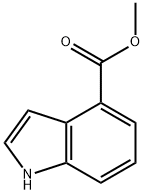
Under stirring at room temperature, concentrated sulfuric acid (0.5 mL) was slowly added to a methanol (10 mL) solution of indolecarboxylic acid. The resulting mixture was stirred at 80°C for 2-3 hours. The reaction progress was monitored by TLC. After the starting materials had completely reacted, a large amount of ice water was slowly added to quench the reaction. The mixture was neutralized with a saturated sodium carbonate solution and extracted three times with ethyl acetate. The combined ethyl acetate solutions were dried with anhydrous magnesium sulfate. The resulting organic layer was evaporated under vacuum and the residue was subjected to rapid chromatography (petroleum ether/AcOEt) to obtain the target product, Methyl indole-4-carboxylate.

Figure: Synthetic route of Methyl indole-4-carboxylate
Chemical Properties
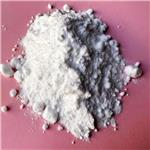
off-white to green crystalline powder
Uses
• ;Reactant for preparation of tryptophan dioxygenase inhibitors pyridyl-ethenyl-indoles as potential anticancer immunomodulators1• ;Reactant for preparation of cytotoxic agents against multidrug-resistant cancer cells2• ;Reactant for preparation of inhibitor for β-tryptase3• ;Reactant for preparation of histamine H3 antagonists4• ;Reactant for preparation of JNK3 MAP kinase inhibitors5• ;Reactant for preparation of nucleosides6
Uses
- Reactant for preparation of tryptophan dioxygenase inhibitors pyridyl-ethenyl-indoles as potential anticancer immunomodulators
- Reactant for preparation of cytotoxic agents against multidrug-resistant cancer cells
- Reactant for preparation of inhibitor for β-tryptase
- Reactant for preparation of histamine H3 antagonists
- Reactant for preparation of JNK3 MAP kinase inhibitors
- Reactant for preparation of nucleosides
General Description
The IR and UV spectra of methyl indole-4-carboxylate was studied.