Synthesis
Add 0.4 mol of m-bromophenol to a four-necked flask, then add 160 mL of 40% sodium hydroxide solution, connect the apparatus, stir thoroughly for 30 min, and cool to 65–70 °C. Add 0.0016 mol of tetrabutylammonium chloride, and add 52 mL of the mixture according to V(1,4-dioxane):V(isobutanol) = 30:1. Add 0.52 mol of chloroform to a dropping funnel. When the temperature rises to 50–60 °C, add the chloroform to the flask, controlling the rate to keep the temperature <70 °C. After all the chloroform has been added, stir the mixture and react for another 1 h, controlling the reaction temperature at 65–70 °C. After the reaction is complete, cool to room temperature. Add a 1:1 (v/v) hydrochloric acid solution to adjust the pH to 2-3. Filter the reaction mixture under reduced pressure to separate the solid and liquid phases. Transfer the liquid phase to a separatory funnel to separate the reddish-brown oil layer and the clear, transparent aqueous phase. Extract the aqueous layer three times with 20 mL of diethyl ether, combine the extracts with the oil layer, and evaporate the ether. Perform steam distillation. Add a saturated sodium bisulfite solution to the distillate and shake vigorously to precipitate the adduct. Decompose this adduct with 10% sulfuric acid and dry it in an anhydrous calcium chloride desiccator to obtain the 4-bromo-2-hydroxybenzaldehyde product.

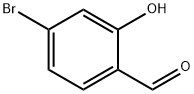
Figure 4-bromo-2-hydroxybenzaldehyde
Chemical Properties
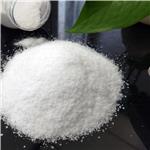
Off-white powder
Uses
4-Bromosalicylaldehyde is a substituted salicylaldehyde used in the synthesis of BIIB042, a γ-secretase modulator.
Uses
4-Bromo-2-hydroxybenzaldehyde is an important raw material and intermediate used in organic synthesis, Pharmaceuticals, agrochemicals and dyestuffs.
Synthesis Reference(s)
Journal of Medicinal Chemistry, 35, p. 734, 1992
DOI: 10.1021/jm00082a014
Hazard
4-Bromo-2-hydroxybenzaldehyde is harmful if swallowed and very toxic to aquatic life, it causes serious eye irritation.
storage
4-Bromo-2-hydroxybenzaldehyde can store long-term in a cool, dry place.