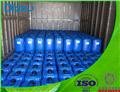
Definition
LEYBOLD VACUUM PUMP OIL is a complex combination of hydrocarbons obtained by removal of normal paraffins from a petroleum fraction by solvent crystallization. It consists predominantly of hydrocarbons having carbon numbers predominantly in the range of C20 through C50 and produces a finished oil with a viscosity not less than 100 SUS at 100.degree.F (19cSt at 40.degree.C).
Production Methods
Paraffin oil, also known as mineral oil, is produced through a series of refining processes from crude oil. The process begins with extracting crude oil from underground reservoirs through drilling. The extracted crude oil undergoes distillation to separate it into various components based on their boiling points. Paraffin oil is derived from the heavier fractions of crude oil. This step involves using a solvent to remove waxy compounds from the paraffin, resulting in a purer form of the oil. Different solvents are used to isolate different hydrocarbon chains. The final refining process, hydro finishing, treats the paraffin with hydrogen to remove impurities and stabilize the oil, improving its colour, odour, and stability.
Flammability and Explosibility
Non flammable
Mechanism of action
Contact action, eggs covered by an oil film are starved of oxygen and so do not hatch.
Safety Profile
Confirmed carcinogen
with experimental tumorigenic data. Low toxicity by ingestion and skin contact. When
heated to decomposition it emits acrid smoke and irritating fumes.
Toxics Screening Level
The ITSL for dewaxed heavy parffinic mineral oil is 50 μg/m3 based on a 8-hour averaging time.
Pesticide Type
Acaricide; Insecticide