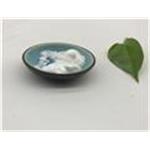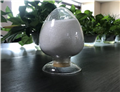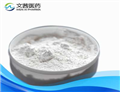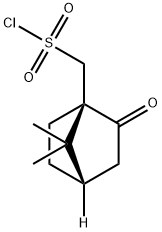
L(-)-10-Camphorsulfonyl chloride
- Product NameL(-)-10-Camphorsulfonyl chloride
- CAS39262-22-1
- CBNumberCB0356635
- MFC10H15ClO3S
- MW250.74
- EINECS628-057-2
- MDL NumberMFCD00064155
- MOL File39262-22-1.mol
- MSDS FileSDS
Chemical Properties
| Melting point | 66-68 °C(lit.) |
| alpha | -33 º (c=3, chloroform) |
| Boiling point | 349.4±15.0 °C(Predicted) |
| Density | 1.331±0.06 g/cm3(Predicted) |
| storage temp. | Keep in dark place,Inert atmosphere,Room temperature |
| solubility | Acetone, Dichloromethane, Ethyl Acetate, Methanol |
| form | Solid |
| color | White |
| optical activity | [α]18/D 33°, c = 3 in chloroform |
| Water Solubility | Decomposes |
| Sensitive | Moisture Sensitive |
| BRN | 3205975 |
| InChI | InChI=1S/C10H15ClO3S/c1-9(2)7-3-4-10(9,8(12)5-7)6-15(11,13)14/h7H,3-6H2,1-2H3/t7-,10-/m0/s1 |
| InChIKey | BGABKEVTHIJBIW-UHFFFAOYSA-N |
| SMILES | [C@@]12(CS(Cl)(=O)=O)C(C)(C)[C@@]([H])(CC1)CC2=O |
| CAS DataBase Reference | 39262-22-1(CAS DataBase Reference) |
| UNSPSC Code | 12352115 |
| NACRES | NA.22 |
Safety
| Symbol(GHS) |

|
|||||||||
| Signal word | Danger | |||||||||
| Hazard statements | H314 | |||||||||
| Precautionary statements | P260-P280-P303+P361+P353-P304+P340+P310-P305+P351+P338-P363 | |||||||||
| Hazard Codes | C | |||||||||
| Risk Statements | 34 | |||||||||
| Safety Statements | 26-36/37/39-45 | |||||||||
| RIDADR | UN 3261 8/PG 2 | |||||||||
| WGK Germany | 3 | |||||||||
| F | 10-21 | |||||||||
| HazardClass | 8 | |||||||||
| PackingGroup | II | |||||||||
| HS Code | 29147090 | |||||||||
| Storage Class | 8A - Combustible corrosive hazardous materials | |||||||||
| Hazard Classifications | Skin Corr. 1B | |||||||||
| NFPA 704: |
|