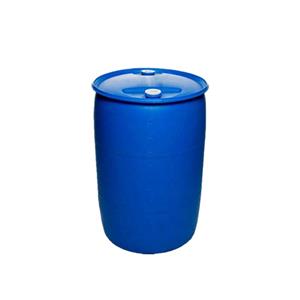
Ethylene glycol (IUPAC name: ethane-1,2-diol) is a simple, toxic, organic compound with the chemical formula C₂H₆O₂ or HO−CH₂−CH₂−OH. Here's a concise overview:
Structure: The simplest diol (a molecule with two hydroxyl groups, −OH), with the −OH groups attached to adjacent carbon atoms.
Properties: A colorless, odorless, viscous liquid. It's highly soluble in water and has a sweet taste (but is extremely poisonous). Key properties include a low freezing point (-12.9°C) and a high boiling point (197.3°C).
Primary Use: The main component (50-60%) of automotive antifreeze and coolant, leveraging its ability to dramatically lower the freezing point and raise the boiling point of water.
Other Uses: Raw material for manufacturing polyester fibers (e.g., PET) and plastics, aircraft de-icing fluid, and industrial solvent.
Toxicity: Highly toxic if ingested (metabolizes to oxalic acid, causing kidney failure). LD₅₀ (rat, oral) is ~4.7 g/kg. Requires careful handling and disposal.
In short: Ethylene glycol (HO-CH₂-CH₂-OH) is a toxic diol primarily used in antifreeze/coolant and polyester production, valued for its water solubility and ability to modify the freezing/boiling points of aqueous solutions.