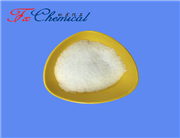
Specification
| Appearance | white powder |
MF |
C11H17ClN2O2 |
| MW | 244.72 |
| Assay | 98%min
|
Welcome to contact us to get complete COA.
Pilocarpine Hydrochloride (HCl) is a medication that belongs to a class of drugs known as cholinergic agonists (or parasympathomimetics). In simple terms, it mimics the action of a key neurotransmitter in your body called acetylcholine.
It is most famously derived from the leaves of South American shrubs from the genus Pilocarpus.
How Does It Work?
Pilocarpine works by stimulating muscarinic receptors in the body's "parasympathetic" nervous system. This is the part of your nervous system responsible for "rest and digest" functions. By activating these receptors, it causes specific effects in certain organs:
In the Eyes: It makes the pupils constrict (get smaller) and increases the outflow of fluid (aqueous humor) from the eye.
In the Salivary and Sweat Glands: It stimulates these glands to produce more of their secretions.
Primary Uses and Applications
Because of its mechanism of action, Pilocarpine HCl is used to treat several conditions:
1. Glaucoma (Specifically, Open-Angle Glaucoma)
This is one of its oldest and most well-known uses. In glaucoma, pressure builds up inside the eye and can damage the optic nerve.
How it helps: Pilocarpine relieves this pressure in two ways:
It contracts the ciliary muscle, which opens up the drainage network of the eye (the trabecular meshwork), allowing more fluid to drain out.
It constricts the pupil (miosis), which can also help improve fluid outflow in certain types of glaucoma.
Note: While effective, it has been largely superseded by newer medications with fewer side effects for long-term glaucoma management. However, it is still a valuable tool, especially in specific situations like angle-closure glaucoma.
2. Dry Mouth (Xerostomia)
This is a very common use for Pilocarpine today. It is prescribed for patients who have severely reduced saliva production, often as a side effect of:
Radiation therapy for head and neck cancers.
Sjögren's syndrome, an autoimmune disorder that attacks moisture-producing glands.
How it helps: By stimulating the muscarinic receptors in the salivary glands, it promotes the production of saliva, providing significant relief from the discomfort and complications of dry mouth.
3. Diagnostic Use
It is sometimes used in a diagnostic test for cystic fibrosis. The drug is used to stimulate sweat production, and the sweat is then collected and analyzed for its chloride content, which is a key diagnostic marker for the disease.
Common Side Effects
Because Pilocarpine stimulates the parasympathetic nervous system throughout the body, side effects are common and are often related to its intended effects becoming too pronounced. These include:
Important Precautions and Warnings
Contraindications: It should not be used by people with:
Pregnancy and Breastfeeding: Use with caution and only if clearly needed.
Other Conditions: It should be used with caution in people with conditions like controlled asthma, chronic bronchitis, Parkinson's disease, or kidney stones.
Key Takeaways
Class: Cholinergic agonist (parasympathomimetic).
Primary Uses: Treating glaucoma and severe dry mouth.
Mechanism: Stimulates "rest and digest" functions, leading to pupil constriction, increased saliva, and increased sweating.
Common Side Effects: Sweating, blurred vision, headache, and urinary frequency.
Disclaimer: This information is for educational purposes only. Always consult with a qualified healthcare professional (like a doctor or pharmacist) for personalized medical advice, diagnosis, and treatment. Do not start or stop any medication without their guidance.
Package

Shipping

Company informations

Contact information





 China
China