Antioxidant 168 Cas 31570-04-4
Specification
Items | Specification |
Product name | Antioxidant 168 |
CAS# | 31570-04-4 |
Appearance | White powder |
Purity | ≥99% |
Molecular Formula | C42H63O3P |
Molecular weight | 646.94 |
EINECS | 250-709-6 |
Welcome to contact with us to get more information.
Antioxidant 168 is a widely used secondary antioxidant (a processing stabilizer) and hydroperoxide decomposer in the plastics and polymer industry. Its chemical name is Tris(2,4-di-tert-butylphenyl) phosphite, and it is commonly known by its trade name, Irgafos 168 (originally from BASF).
Its primary function is to protect polymers (plastics) from degradation caused by heat and oxygen during high-temperature processing, such as extrusion, injection molding, and blow molding.
Key Properties and Function
Chemical Formula: C₄₂H₆₃O₃P
Role: Secondary Antioxidant (Hydroperoxide Decomposer)
How it Works:
During processing, polymers are exposed to heat and shear stress, which can cause oxidation. This oxidation leads to the formation of hydroperoxides (ROOH), which are unstable molecules that break down and start a chain reaction of degradation, leading to:
Antioxidant 168 works by sacrificially reacting with and neutralizing these hydroperoxides before they can start the destructive chain reaction. It converts them into stable, alcohol-like compounds (ROH), thereby preventing the polymer from degrading.
Loss of molecular weight (chain scission)
Discoloration (yellowing)
Loss of mechanical properties (e.g., becoming brittle)
Synergistic Effect: It is almost always used in combination with a primary antioxidant (e.g., Irganox 1010, which is a radical scavenger). While the primary antioxidant stops the propagation of free radicals, the secondary antioxidant (168) prevents the formation of new ones from hydroperoxides. This combination provides a much more effective stabilization system than either antioxidant could alone.
Common Applications
Antioxidant 168 is used in a vast range of polymers to extend their service life and maintain their properties. Key applications include:
Polyolefins: Polypropylene (PP), High-Density Polyethylene (HDPE), Low-Density Polyethylene (LDPE), Linear Low-Density Polyethylene (LLDPE)
Engineering Plastics: ABS (Acrylonitrile Butadiene Styrene), Polycarbonate (PC), Nylon (Polyamide, PA), PBT (Polybutylene Terephthalate)
Styrenics: Polystyrene (PS), High-Impact Polystyrene (HIPS)
Elastomers: Synthetic rubbers
It is particularly valued for its:
High performance at processing temperatures.
Low volatility (it doesn't evaporate easily during processing).
Excellent color stability (it helps prevent yellowing).
Good compatibility with a wide range of polymers.
Safety and Regulatory Status
Antioxidant 168 is approved for use in food-contact applications by regulatory bodies like the U.S. FDA and the European Commission under specific regulations and migration limits.
Like many industrial chemicals, it should be handled with care, using appropriate personal protective equipment (PPE) to avoid inhalation or skin contact during handling.
A Important Note: Hydrolysis
A well-known characteristic of Antioxidant 168 is its susceptibility to hydrolysis (reaction with moisture). If it absorbs water from the air during storage, it can degrade into 2,4-di-tert-butylphenol (DBP) and other compounds.
DBP can cause unpleasant odors and may affect the polymer's properties.
For this reason, the chemical is often packaged under a protective nitrogen atmosphere, and manufacturers must store it in a cool, dry place.
In summary, Antioxidant 168 is a crucial additive that protects plastics from thermal-oxidative degradation during manufacturing, ensuring the final products have the desired color, strength, and durability. It is a workhorse of the polymer industry.
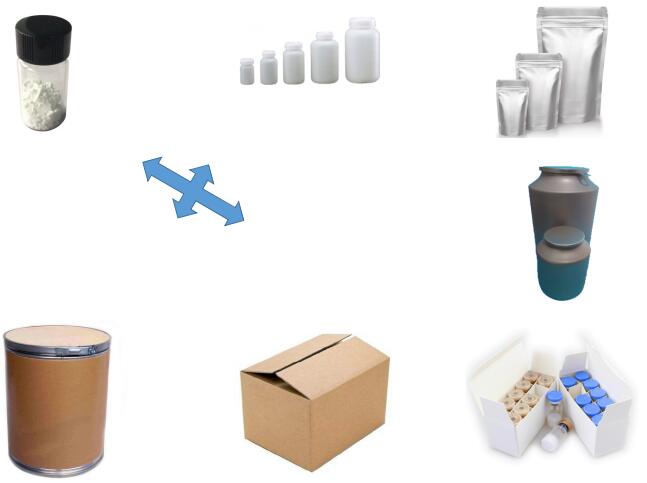
Packages
Delivery

Payment term
* Wire Transfer/Telegraphic Transfer
* Western Union
* MoneyGram
* L/C
Contact information
Spring Zhang
Email: export@fortunachem.com
Skype: Fortunachem201304
QQ:3169620873
Tel: +86-27-59207892
Website: www.fortunachem.com




 China
China