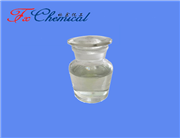
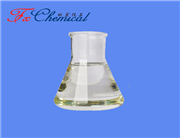
CIS-3-HEXENYL SALICYLATE Cas 65405-77-8
Specification
Items | Specifications | Results |
Appearance | Colorless to yellowish transparent liquid | Conforms |
Odor | Green-floral,sweet-balsam | Conforms |
Purity | ≥97% | 98.4 |
Refractive index(20℃) | 1.518-1.524 | 1.521 |
Relative density(25℃/25℃) | 1.055-1.062 | 1.059 |
Acid value | ≤10mg/KOH/g | 0.3 |
Conclusion | The product conforms to the above specifications. |
Welcome to contact with us to get more information.
Leaf Salicylate: Definition and Overview
Leaf salicylate typically refers to methyl salicylate—a natural organic compound derived from certain plants' leaves, most notably wintergreen (Gaultheria procumbens) and birch (Betula lenta) leaves. It is a type of salicylate, chemically related to acetylsalicylic acid (aspirin).
This compound is responsible for the characteristic "wintergreen" aroma and has been used for centuries in traditional medicine and modern applications.
Natural Sources
Wintergreen leaves: Primary natural source.
Birch bark/leaves: Also contains methyl salicylate (sometimes called "sweet birch oil").
Other plants: In smaller amounts in some grasses, spices, and fruits.
How It Works
When applied topically, methyl salicylate acts as a counterirritant and analgesic.
It is absorbed through the skin and metabolized into salicylic acid, which inhibits prostaglandin synthesis, reducing pain and inflammation locally.
Uses and Applications
1. Topical Pain Relief
Muscle and joint pain: Creams, gels, and liniments for sore muscles, arthritis, backaches, and strains.
Sports medicine: Used in analgesic balms and patches for athletes.
2. Aromatherapy and Perfumery
Provides a fresh, minty scent in soaps, candles, and perfumes.
Sometimes used in small amounts for flavoring (e.g., chewing gum, toothpaste) though synthetic methyl salicylate is more common in food due to cost and purity.
3. Industrial Uses
Flavoring agent: In very low concentrations in candies, gums, and dental products.
Odor agent: In some cleaning products and industrial masking scents.
Laboratory solvent: In some chemical processes.
4. Traditional and Herbal Medicine
Native American remedies used wintergreen leaf tea/poultices for pain, fever, and respiratory issues.
Caution: Internal use of methyl salicylate-rich oils is highly risky due to toxicity.
Safety and Toxicity Concerns
⚠️ Important Warnings:
Not for ingestion: Even small amounts (as little as 5 mL) of concentrated methyl salicylate can be fatal (aspirin-like poisoning).
Skin irritation: Can cause allergic reactions or irritation in some people.
Children and pregnant women: Should avoid use unless under professional guidance.
Drug interactions: May interact with blood thinners or other salicylates (e.g., aspirin).
Proper dilution: Essential oil versions must be diluted before topical use.
Comparison to Other Salicylates
Aspirin: Acetylsalicylic acid, used orally for pain, fever, anti-inflammatory effects, and heart health.
Salicylic acid: Used topically for acne, warts, and skin peeling.
Leaf-derived methyl salicylate: Primarily for external use only, with rapid skin absorption and localized effects.
Modern Products Containing Leaf Salicylate (Methyl Salicylate)
Bengay®, Icy Hot®: Over-the-counter pain-relief creams.
Deep Heat®, Tiger Balm®: Muscle rubs.
Some essential oil blends: For massage or aromatherapy.
Conclusion
Leaf salicylate (methyl salicylate) is a plant-derived compound with potent topical analgesic and anti-inflammatory properties. Its uses span from muscle pain relief to fragrance applications. However, due to its potential toxicity, it should be used only as directed, never ingested, and kept away from children. For safe use, follow product instructions and consult a healthcare provider if you have underlying health conditions or are taking other medications.
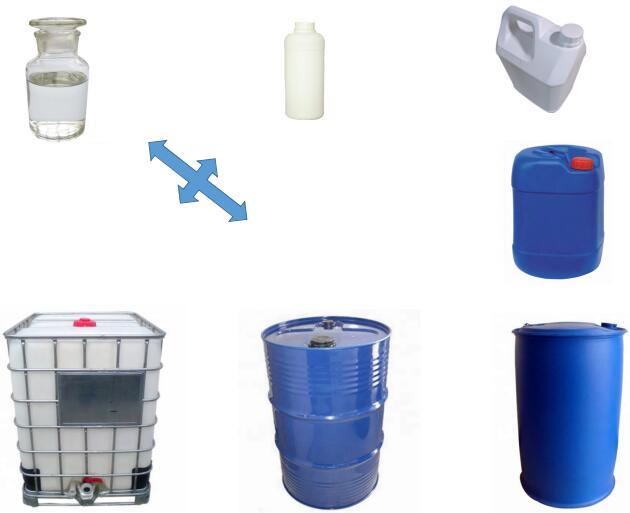
Packages
Delivery

Payment term
* Wire Transfer/Telegraphic Transfer
* Western Union
* MoneyGram
* L/C
Contact information
Spring Zhang
Email: export@fortunachem.com
Skype: Fortunachem201304
QQ:3169620873
Tel: +86-27-59207892
Website: www.fortunachem.com




 China
China