Specification
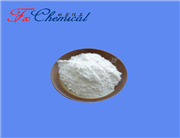
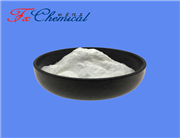
| Appearance | white or almost powder powder |
Residue on ignition |
≤0.2% |
| Loss on drying | ≤0.5% |
Assay
| 98%~102.0% |
Welcome to contact us to get complete COA.
Miconazole nitrate is the nitrate salt form of miconazole, a synthetic imidazole antifungal medication. It is primarily used to treat a wide variety of fungal (mycotic) and yeast infections.
What It Is & How It Works
Chemical Class: Imidazole antifungal.
Mechanism of Action: It works by inhibiting the synthesis of ergosterol, a critical component of fungal and yeast cell membranes.
It blocks the enzyme lanosterol 14α-demethylase, which is dependent on cytochrome P-450.
This causes a buildup of toxic sterol precursors and a deficiency of ergosterol.
The result is damaged cell membranes, increased permeability, leakage of cellular contents, and ultimately fungal cell death.
Why the Nitrate Salt? The nitrate salt form improves the compound's stability, crystallinity, and solubility in topical formulations, making it more effective for creams, powders, and sprays.
Primary Medical Uses
Miconazole nitrate is a broad-spectrum antifungal effective against:
Dermatophytes (e.g., Trichophyton, Epidermophyton)
Yeasts (e.g., Candida albicans)
Molds
It is commonly used to treat superficial infections of the skin, nails, and mucous membranes:
Skin & Nail Infections:
Athlete's Foot (Tinea pedis)
Ringworm (Tinea corporis, Tinea cruris/jock itch)
Fungal nail infections (Onychomycosis)
Cutaneous candidiasis (yeast infection on skin)
Mucous Membrane Infections:
Vaginal Yeast Infections (Vaginal candidiasis) – available as creams, pessaries, and combination packs.
Oral Thrush (Oropharyngeal candidiasis) – available as an oral gel. Patients must be instructed to hold it in the mouth for as long as possible before swallowing.
Prevention: Used in some antifungal powders to prevent fungal infections in skin folds (intertrigo), especially in warm, moist environments.
Formulations: Available over-the-counter (OTC) and by prescription in various forms: cream, powder, spray, oral gel, vaginal suppositories/cream, and medicated wipes.
Other (Non-Medical) Uses
Laboratory & Research:
Research Tool: Used in cell biology and mycology labs as a selective inhibitor of cytochrome P-450 enzymes and sterol biosynthesis to study fungal metabolism and resistance mechanisms.
Antifungal Agent in Culture Media: Sometimes incorporated into microbial culture media to suppress fungal contamination while allowing bacteria to grow, though other agents like amphotericin B are more common for this purpose.
Key Safety Notes
Topical Use Only: Most formulations (cream, powder) are for external use only. The oral gel is specifically designed for mucosal application.
Allergy: Contraindicated in patients with known hypersensitivity to miconazole or other imidazoles.
Drug Interactions: Systemic absorption can occur, especially from mucous membranes. It can inhibit liver enzymes (CYP3A4/2C9), potentially increasing the blood levels of drugs like warfarin, phenytoin, and certain statins. Caution is advised.
Pregnancy/Breastfeeding: Consult a doctor before use.
Summary
Miconazole nitrate is a widely available, effective antifungal agent that disrupts fungal cell membranes. Its primary use is the treatment of common superficial fungal and yeast infections of the skin, vagina, and mouth. Its stable salt form makes it ideal for topical OTC remedies, and it also serves as a useful tool in biochemical research.
Package

Shipping

Company informations

Contact information





 China
China