Specification of 1-Octacosanol CAS 557-61-9:
Items | Specifications | Results |
Appearance | White powder | Complies |
Melting Point℃ | 80-83 | 82.7℃ |
Fatty acid ,mgKOH/g | <1.5 | 0.02 |
Water content,% | ≤0.5 | 0.32 |
Ash,% | ≤0.1 | 0.09 |
Octacosanol,% | GC≥95% | 95.83% |
Policosanol(Total Alcohols),% | GC≥98% | ≥98% |
1-Octacosanol (C-28),% | GC | 95.83% |
As,mg/kg | ≤0.3 | <0.1 |
pb,mg/kg | ≤0.1 | <0.05 |
Hg,mg/kg | ≤0.01 | <0.005 |
Cd,mg/kg | ≤0.2 | <0.01 |
Mold | ≤50, CFU/g | <10 |
Yeast | ≤20, CFU/g | <10 |
Conclusion | The result conform with standard |
Welcome to inquire us to get the complete COA
1-Octacosanol is a natural, long-chain primary alcohol. In simpler terms, it is a fatty alcohol found in the waxy coating of many plants, as well as in some common food sources.
Its chemical structure consists of 28 carbon atoms in a straight chain, with a hydroxyl (-OH) group attached to one end (the "1-" indicates its position). This is why it's called octa (8) cos (20) + anol (alcohol) = a 28-carbon alcohol.
It is perhaps best known as the main active component of policosanol, a popular dietary supplement.
Key Characteristics
Source: It is a constituent of plant waxes. Significant sources include:
Sugar Cane Wax: This is the primary source for most commercial supplements (policosanol).
Wheat Germ Oil: One of the richest natural sources.
Beeswax
Peanut Oil
Alfalfa
Fruits and their skins (e.g., apples, grapes)
Function in Plants: In plants, it forms part of the epicuticular wax that coats leaves and fruits. This wax layer helps prevent water loss and protects against pathogens.
Supplement Form: It is most commonly sold and studied as part of a mixture called policosanol, which contains several similar long-chain alcohols (like triacontanol, hexacosanol, etc.), but octacosanol is typically the most abundant and studied component.
Potential Health Benefits and Uses (Based on Research)
1-Octacosanol has been studied for various potential health benefits, primarily related to physical performance and cardiovascular health. It's important to note that while some studies are promising, the evidence is sometimes mixed, and more research is often needed.
Exercise Performance and Endurance:
This is one of its most traditional and popular uses. Studies suggest it may enhance endurance and reduce exercise-induced stress.
Proposed Mechanisms: It is thought to improve the efficiency of oxygen utilization in muscles, possibly by supporting mitochondrial function (the energy powerhouses of cells). Some research indicates it may help reduce lactate buildup and muscle damage.
Cardiovascular Health (Cholesterol Management):
This is the most widely researched area. Cuban studies (where policosanol from sugar cane was developed) have shown significant effects in reducing LDL ("bad") cholesterol and increasing HDL ("good") cholesterol.
Mechanism: It is believed to work by inhibiting the liver's internal production of cholesterol (via the HMG-CoA reductase enzyme), similar to how statin drugs work, but through a different pathway. It may also help the liver remove LDL from the bloodstream more effectively.
Important Note: Some later studies conducted outside of Cuba have failed to replicate these strong results, leading to debate in the scientific community. The source of the policosanol (sugar cane vs. beeswax vs. other plants) may be a critical factor.
Neuroprotective Potential:
Some preliminary research on animals and in lab settings suggests that octacosanol may have a protective effect on brain cells. It has been investigated for potential benefits in conditions like Parkinson's disease, by protecting dopaminergic neurons. However, this research is in very early stages.
Physical Strength and Reaction Time:
Safety and Dosage
Safety: 1-Octacosanol is generally considered safe and well-tolerated when taken at recommended dosages. Reported side effects are minimal but can include mild weight loss, nervousness, insomnia, or rash in very few individuals.
Dosage: In studies, typical dosages for policosanol (which is ~60-70% octacosanol) range from 5 to 20 mg per day, often split into two doses (e.g., with breakfast and dinner). Most over-the-counter supplements are available in 10-20 mg tablets or capsules.
Important: As with any supplement, it's crucial to consult with a healthcare professional before starting, especially if you have existing health conditions (like liver disease or a bleeding disorder) or are taking medications (particularly blood thinners or cholesterol-lowering drugs).
Summary
| Aspect | Description |
|---|
| What it is | A long-chain fatty alcohol found in plant waxes. |
| Common Source | Sugar cane wax, wheat germ oil, beeswax. |
| Primary Use | Sold as a key component of policosanol supplements. |
| Key Benefits | Studied for improving endurance, supporting cardiovascular health (managing cholesterol), and potential neuroprotective effects. |
| Safety | Generally considered safe with minimal side effects at recommended doses. |
In conclusion, 1-Octacosanol is a natural compound with promising research, particularly for enhancing physical performance and supporting heart health, though more consistent and large-scale human trials are needed to fully confirm its efficacy.
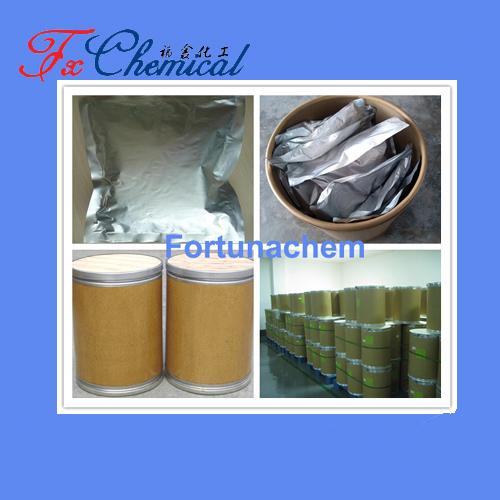
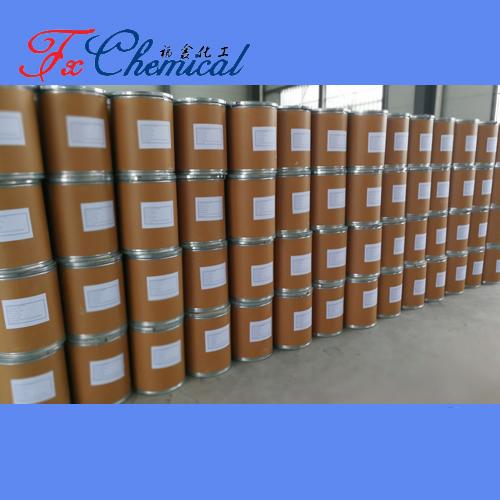
Package of 1-Octacosanol CAS 557-61-9:
Application of 1-Octacosanol CAS 557-61-9:
As a health food, octacosanol is mainly to enhance physical strength and endurance; reduce cholesterol and inhibit lipid peroxidation; anti-thrombosis and anti-ischemia, improve myocardial function; enhance sexual function of male animals and elderly men and affect degenerative nerves.





 China
China


