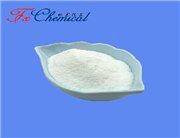
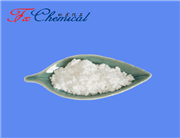
Natamycin Cas 7681-93-8
Specification
Items | Specification | Result |
Appearance | Off-white to cream-colored powder | Conform |
Content | 90.0%-102% | 95.5% |
Water | 6.0%-9.0% | 7.0% |
PH | 5.0-7.5 | 6.2 |
We have 50%, 95% Natamycin, welcome to contact with us to get more information.
Natamycin is a natural antifungal compound produced by the bacterium Streptomyces natalensis (first isolated in Natal, South Africa, hence the name). It belongs to a class of antifungal agents known as polyene macrolides.
Key Properties:
Antifungal: It is highly effective against yeasts and molds but has no effect on bacteria or viruses.
Mode of Action: Binds to ergosterol, a key component of fungal cell membranes, causing leakage of cellular contents and death of the fungus.
Low Absorption: When used in food, it is not absorbed systemically; it stays on the surface, making it very safe for consumption.
Heat Stable: It is stable under normal cooking and processing temperatures.
Primary Uses of Natamycin
1. Food Preservation (Primary Use)
Natamycin is widely used as a natural preservative (E235 in the EU) to prevent mold and yeast spoilage. It is applied to the surface of foods because it does not penetrate deeply.
Cheese: Sprayed or dipped on the surface of hard, semi-hard, and soft cheeses (like Gouda, Cheddar, and sliced cheese blocks) to prevent mold growth.
Sausages and Cured Meats: Applied to the casing to prevent surface mold.
Yogurt and Fermented Dairy: Sometimes used to extend shelf life.
Baked Goods: Sprayed on products like cakes and bread to inhibit mold.
Fruit Juices and Wines: Used to control yeast and mold in beverages.
2. Pharmaceutical & Medical Applications
Topical Treatment: Used in eye drops (e.g., for fungal keratitis) and skin creams to treat fungal infections.
Oral Suspensions: Sometimes used to treat oral or intestinal fungal infections (like candidiasis), though its use is limited because it is poorly absorbed.
3. Agriculture
Used to prevent fungal growth on crops during storage (e.g., on fruits) and in animal feed.
Advantages Over Chemical Preservatives:
Targeted Action: Only affects molds/yeasts, not bacteria (so it doesn’t interfere with bacterial fermentation in cheese/yogurt).
No Known Resistance: Fungi do not easily develop resistance to natamycin.
Natural Origin: Considered a natural preservative, appealing to consumers who prefer clean-label products.
Safe Profile: Approved by the FDA, EFSA, and Codex Alimentarius.
Safety & Regulation
Recognized as safe when used within regulated limits.
ADI (Acceptable Daily Intake): 0.3 mg/kg body weight (JECFA/WHO).
Not allowed in all countries for all applications; regulations vary by region.
Bottom Line
Natamycin is a natural antifungal preservative mainly used to extend the shelf life of foods like cheese and sausage by preventing mold and yeast growth. It is also used in medicines for topical fungal infections. Its safety, specificity, and natural origin make it a valuable tool in food safety and medicine.
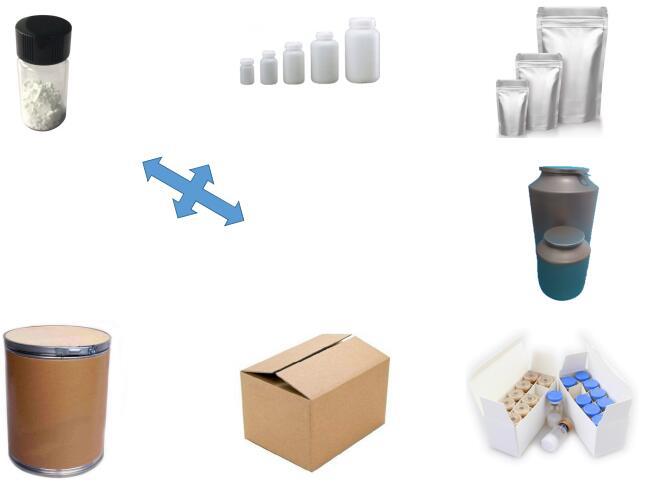
Packages
Delivery

Payment term
* Wire Transfer/Telegraphic Transfer
* Western Union
* MoneyGram
* L/C
Contact information
Spring Zhang
Email: export@fortunachem.com
Skype: Fortunachem201304
QQ:3169620873
Tel: +86-27-59207892
Website: www.fortunachem.com




 China
China