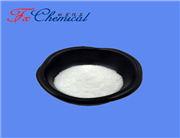
Specification of Azelastine hydrochloride CAS 79307-93-0:
Items | Specifications | Results |
Appearance | White or almost white powder | White powder |
Loss on drying | ≤1.0% | 0.44% |
Residue on ignition | ≤0.1% | 0.07% |
Single impurity | ≤0.2% | 0.03% |
Assay | ≥99.0% | 99.76% |
Purity | ≥99.5% | 99.87% |
Welcome to inquire us to get the complete COA
Azelastine hydrochloride is a second-generation antihistamine medication primarily used as a topical treatment for allergic rhinitis (hay fever) and allergic conjunctivitis. Unlike first-generation antihistamines that are taken orally and can cause drowsiness, azelastine is administered directly to the affected area (nasal passages or eyes) for rapid, localized relief with minimal systemic side effects.
Mechanism of Action: How It Works
Azelastine works through multiple mechanisms to combat allergic symptoms:
Histamine H₁-Receptor Antagonist: Its primary action is to selectively and potently block the histamine H₁-receptor. Histamine is a key chemical released by the body during an allergic reaction, causing symptoms like sneezing, itching, runny nose, and watery eyes. By blocking the receptor, azelastine prevents histamine from having its effect.
Inhibits Mast Cell Stabilization: It prevents the release of histamine and other inflammatory mediators (like leukotrienes) from mast cells. This provides a preventive effect against allergic reactions.
Anti-inflammatory Effects: It has been shown to downregulate other pathways involved in inflammation, further reducing allergic symptoms.
This multi-action profile makes it highly effective at relieving a broad range of allergy symptoms.
Primary Uses and Applications
Azelastine HCl is available in two main formulations:
Azelastine Nasal Spray: Used to treat the symptoms of seasonal and perennial allergic rhinitis in adults and children. Symptoms it relieves include:
Azelastine Eye Drops: Used to treat the symptoms of allergic conjunctivitis (eye allergies), such as:
Itchy eyes
Red eyes
Watery eyes
Key Considerations: Side Effects and Usage
Common Side Effects:
Nasal Spray: Bitter taste in the mouth (most common), nasal discomfort, headache, sneezing, and nosebleeds (epistaxis).
Eye Drops: Temporary eye burning or stinging, headache, and blurred vision immediately after application.
Systemic Effects: While much less common than with oral antihistamines, some systemic absorption can occur. Drowsiness is reported by a small percentage of users (~11%), though it is far less sedating than older antihistamines.
Important Notes:
Onset of Action: It works relatively quickly, with symptom relief often starting within 15 minutes.
Dosing: Consistent use is often required for maximum effect.
Contact Lenses: Patients using the eye drops are typically advised to remove contact lenses during treatment, as the preservative in the bottle (benzalkonium chloride) can be absorbed by soft lenses and irritate the eyes.
In summary, azelastine hydrochloride is a potent, multi-mechanism antihistamine that provides effective, targeted relief for allergic conditions of the nose and eyes, with a favorable side effect profile compared to older medications.
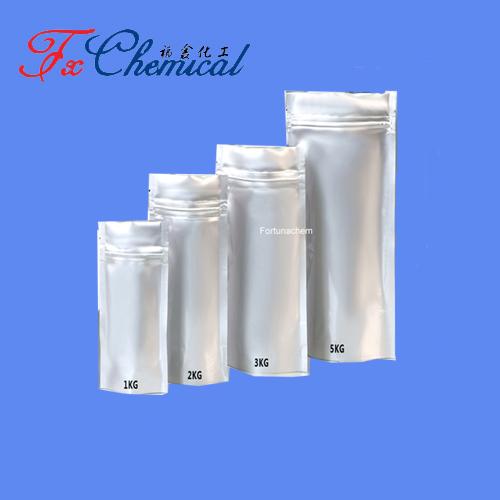
Package of Azelastine hydrochloride CAS 79307-93-0:

Application of Azelastine hydrochloride CAS 79307-93-0:
Used for the treatment of bronchial asthma and nasal allergies.




 China
China