Specification
Appearance |
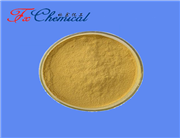
White or almost white crystalline powder. |
| Heavy metals |
≤10ppm |
Water |
≤0.5%
|
Sulphated ash |
≤0.1% |
Assay |
99%~101.0% |
Welcome to contact us to get complete COA.
Pyrazinamide is an oral antimicrobial drug, primarily classified as a first-line anti-tuberculosis (TB) medication. It is a synthetic pyrazine derivative with bacteriostatic (inhibits bacterial growth) and bactericidal (kills bacteria) effects, depending on the concentration and the growth phase of the target bacteria.
Key Mechanism of Action
The exact mechanism is not fully elucidated, but it is believed to act as follows:
Pyrazinamide is taken up by Mycobacterium tuberculosis (the bacteria that causes TB) and converted to its active form, pyrazinoic acid, by the bacterial enzyme pyrazinamidase.
Pyrazinoic acid disrupts the acid-base balance inside the bacterial cell, inhibits fatty acid synthesis, and damages the bacterial cell membrane, ultimately leading to bacterial death.
It is most effective against M. tuberculosis that resides in the acidic environment of macrophages (immune cells that engulf bacteria), a niche where other first-line TB drugs (e.g., isoniazid, rifampicin) are less potent.
Main Uses
Treatment of Active Tuberculosis
Pyrazinamide is a core component of the short-course TB treatment regimen recommended by the World Health Organization (WHO). It is almost always used in combination with other anti-TB drugs (isoniazid, rifampicin, ethambutol) for the intensive phase of treatment (usually the first 2 months).
This combination therapy reduces the risk of drug resistance and ensures complete elimination of the bacteria.
It is effective for both pulmonary TB (affecting the lungs) and extrapulmonary TB (affecting organs like the lymph nodes, bones, or kidneys).
Prevention of Tuberculosis (Rarely Used)
In some cases, it may be part of a preventive therapy regimen for individuals at high risk of developing active TB (e.g., those with latent TB infection and immunocompromise), but this is not a primary indication.
Important Notes
Drug Resistance: Monotherapy with pyrazinamide is strictly prohibited, as it rapidly leads to the development of resistant M. tuberculosis strains.
Side Effects: The most common side effect is hyperuricemia (elevated uric acid levels in the blood), which can trigger gout. Other side effects include hepatotoxicity (liver damage), gastrointestinal disturbances, and skin rashes.
Contraindications: It is contraindicated in patients with severe liver disease or a history of gout, and requires dose adjustment in patients with renal impairment.
Package

Shipping

Company informations

Contact information





 China
China