1. 552.0 g (4.0 mol) of potassium carbonate was dissolved in 1500 mL of diethylene glycol dimethyl ether at 0-20 °C.
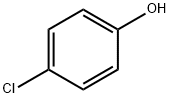
2. 283.1 g (2.2 mol) of p-chlorophenol and 5.74 g (0.04 mol) of copper (I) bromide were added sequentially to the above solution and stirred well.
3. the mixture was heated to 100 °C, 90.3 g (0.53 mol) of o-chlorophenylacetic acid was added, and the temperature was maintained and stirred for 1 hour.
4. 159.4 g (0.93 mol) of o-chlorophenylacetic acid was further added, the temperature was raised to 120-130 °C, stirring was continued for about 8 hours, and the progress of the reaction was monitored by high performance liquid chromatography.
5. Upon completion of the reaction, cooled to room temperature, 700mL of water and 650mL of 35wt% aqueous hydrochloric acid were added sequentially to adjust the pH of the aqueous layer to below 1.
6. After dilution by adding 500mL of water, the organic layer was extracted once with 400mL and 200mL of toluene, respectively, and the organic layer was combined.
7. The organic layer was sequentially washed three times with 500 mL of water and once with 500 mL of brine, and then dried with anhydrous magnesium sulfate.
8. The dried organic layer was partially concentrated to about 400 g of residue, 100 mL of heptane was added dropwise, and the internal temperature was maintained at about 70° C. until crystals precipitated.
9. Cooled to 20-25°C, filtered to collect the crystals and washed with 100mL of a solvent mixture of heptane/toluene (1:1).
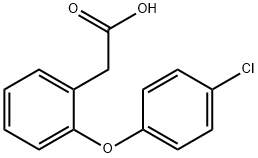
10. Pressurized drying gave 245.6 g of 2-(2-(4-chlorophenoxy)phenyl)acetic acid white solid in 68.8% yield.