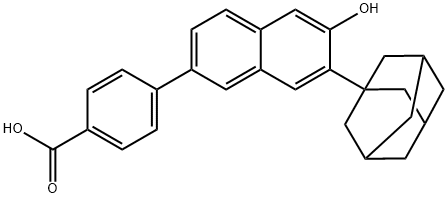
CD1530 (4 mg/kg; p.o.; once every other day) inhibits FOP-like heterotopic ossification in transgenic mice carrying a Cre-inducible constitutively active ALK2Q207D mutation[1].
CD1530 (2.5 mg/100 mL; p.o., in drinking water; frequency not mentioned; 15 weeks) combined with 4-nitroquinoline 1-oxide reduces the number and severity of tongue tumor lesions in mice with oral cancer[3].
CD1530 (10 μg; local injection; 3 times per week; 3 weeks) accelerates tendon healing in mice with Achilles tendon rupture, inhibits cartilage formation, reduces fibrous tissue-like scar formation, and promotes better collagen fiber alignment[4].
CD1530 (4 mg/kg, p.o.; or 1 mM, intramuscular injection; once a day; administration for 4 weeks) can inhibit muscle fat infiltration, reduce the number of intramuscular adipocytes, and reduce the expression of adipogenic marker genes in mice with rotator cuff tear[6].
| Animal Model: | C57BL/6 male mice (weight approximately 23 g, 9 weeks old) + rotator cuff tear model[6] |
| Dosage: | 4 mg/kg (orally administered); 1 mM (intramuscular injection, solvent: dimethyl sulfoxide) |
| Administration: | Oral administration, once a day, for 4 weeks; Intramuscular injection, once a week, for 4 weeks |
| Result: | Significantly suppressed fatty infiltration in the supraspinatus muscle (p.o.).
Reduced the ratio of the fat area to the muscle cross-sectional area and the expression of adipogenic marker genes Pparg and Cebpa (p.o.).
Reduced fatty infiltration in the supraspinatus muscle (intramuscular injection).
|