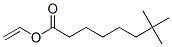
Vinyl Neodecanoate is used in manufacturing environmental protection toilet.
VINYL NEODECANOATE is a polymer monomer that can be used to synthesise vinyl neodecanoate (VNDc) homopolymers with self-healing and self-bonding properties. This PVNDc homopolymer has a glass transition temperature (Tg) of −3 °C and exhibits optical transparency comparable to that of inorganic glass[1]. It can also serve as a matrix for the manufacture of semiconductor adhesives and semiconductor tapes used in electronic circuits.
Vinyl Neodecanoate is a colorless liquid with a pleasant odor. Floats on water. It has a medium to low glass transition temperature of -3 °C.
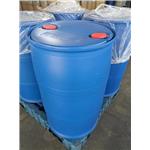
VINYL NEODECANOATE is an ester. The monomer is supplied in bulk or resin lined drums, and could be safely stored in tin-lined or stainless steel containers. Storage in plastic or other vessels is not recommended. Copper will inhibit polymerization, and zinc will promote discoloration. Polymerization: Commercial application is a modifying monomer in polymerization reactions [USCG, 1999].
VINYL NEODECANOATE is a polymerisable liquid substance; contact may cause burns to the skin and eyes. Inhalation of this substance may be harmful.
[1] Kumari Priya, & Anasuya Bandyopadhyay*, (2024). Development of Stretchable, Self-Healing Polyvinyl Neodecanoate and Its Nanocomposites with MWCNT for Semiconducting Tape Applications. ACS Applied Polymer Materials, 6 23, 14568-14579 14568-14579. https://doi.org/
10.1021/acsapm.4c02706