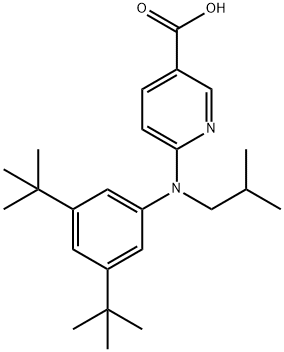
MSU-42011 (25 mg/kg, PO, for 12 weeks) significantly reduces the number, size and overall tumor burden of tumors in an A/J mouse lung cancer model.
Fewer cells actively proliferated and showed a significant [1] reduction in p-ERK compared to controls.
MSU-42011 (25 mg/kg; PO; 1 week later, intraperitoneal injection of Carboplatin (HY-17393) (50 mg/kg) and paclitaxel (HY-B0015) (15 mg/kg) every other week 6 times; treatment for 12 weeks) is most effective in reducing tumor number, tumor size, and overall tumor burden when combined with C/P in the A/J mouse lung cancer model.
Decreased macrophages in the lung and increases CD8+ T cell activation markers[1].
MSU42011 (100 mg/kg; PO; 2 weeks later, intraperitoneal injection 50mg/mouse of anti-PD1 and anti-PDL1 antibodies, twice a week, a total of 22 times) reduces tumor burden in a mouse lung tumor model[2].
| Animal Model: | A/J mice (Intraperitoneal injected with the carcinogen ethyl carbamate (0.32 mg/injection) for 8 weeks)[1] |
| Dosage: | 25 mg/kg |
| Administration: | Oral administration; One week after, i.p. every other week for a total of 6 injections with Carboplatin (HY-17393) (50 mg/kg) and paclitaxel (15 mg/kg); for 12 weeks |
| Result: | The number and size of detected lung surface tumors increased not in the treatment group
Combines with C/P was most effective in reducing tumor number (67% vs. control), tumor size (76% vs. control), and overall tumor burden (92% vs. control).
|
| Animal Model: | A/J lung cancer model (Intraperitoneal injected with the carcinogen ethyl carbamate (0.32 mg/injection) for 8 weeks)[2] |
| Dosage: | 100 mg/kg |
| Administration: | Oral administration; After 2 weeks, each mouse was intraperitoneally injected with anti-PD1 and anti-PDL1 antibodies at a rate of 50 μg/mouse, twice a week for a total of 22 times |
| Result: | Showed that an increase in the ratio of anti-tumor CD8 T cells to CD4, CD25 T cells resulted in a significant reduction in tumor volume compared to MSU42011 or anti-PD(L)1 antibody alone. |