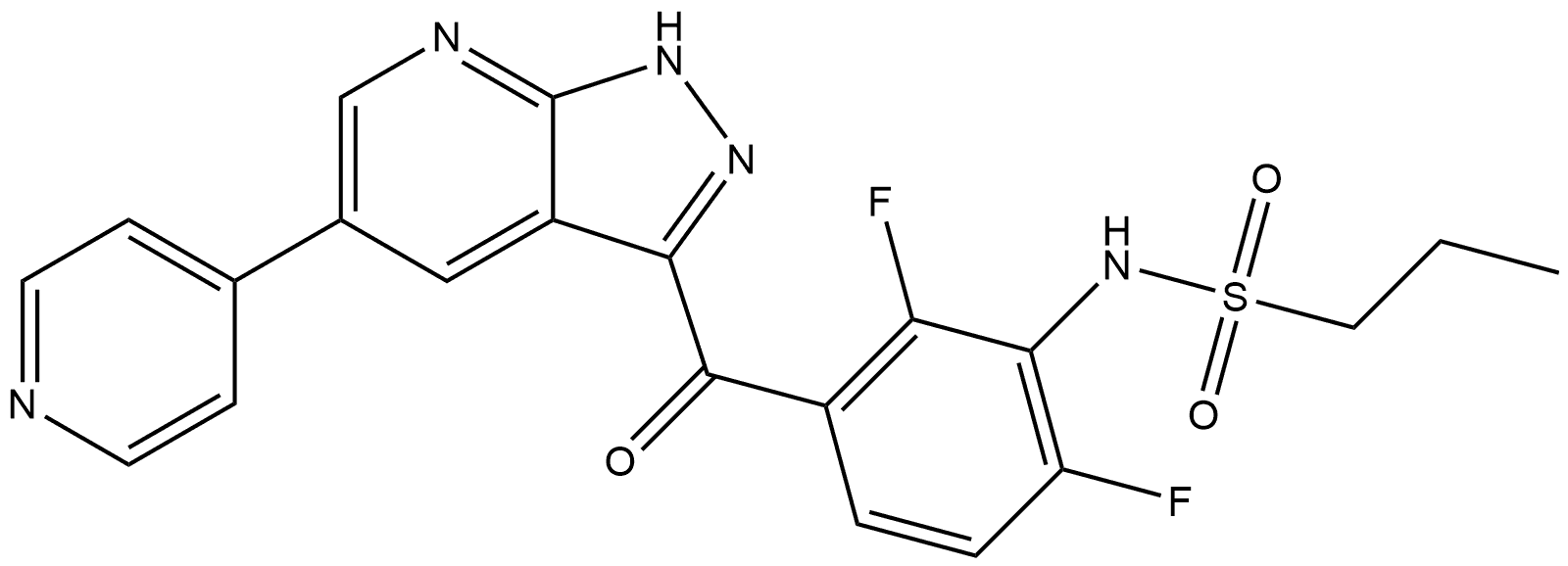
Darizmetinib (30 mg/kg, p.o., a single dose for 15 min-24 h) increases the number of proliferating hepatocytes upon partial hepatectomy in fibrotic mouse livers [3].
Darizmetinib (10 mg/kg, p.o., a single dose for 2 h and 9 h) activates pro-regenerative program by increaseing MKK7 and JNK1 signaling with a downstream activation of the transcription factors ATF2 and ELK1, reduces p38- and p53 activation, activates nuclear factor κB (NF-κB) signaling, and upregulates the anti-apoptotic protein Bcl-XL in hepatectomized mice[3].
Darizmetinib (5 mg/kg, i.v., every 12 h, starting 24 h before surgery)--mediated suppression of MKK4 increases hepatocyte regeneration in a pig hepatectomy model[3].
| Animal Model: | partial hepatectomy in fibrotic mouse livers[2] |
| Dosage: | 30 mg/kg |
| Administration: | p.o., a single dose for 15 min-24 h |
| Result: | Enhanced hepatocyte proliferation in partial hepatectomy in fibrotic mouse livers, suggesting that the presence of fibrosis per se does not interfere with the Darizmetinib-mediated pro-regenerative mechanism. |