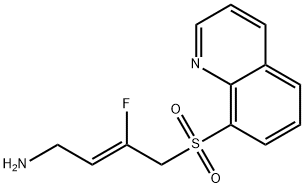
LOX-IN-3 dihydrochloride monohydrate (Compound 33) (30 mg/kg; orally; once) inhibits lysyl oxidase activity in rats[1].
LOX-IN-3 dihydrochloride monohydrate (10 mg/kg; orally; daily for 14 days) reduces kidney fibrosis in unilateral ureteric obstruction (UUO) mice model[1].
LOX-IN-3 dihydrochloride monohydrate (15 mg/kg; orally; daily for 21 days) reduces lung fibrosis in mice[1].
| Animal Model: | Male Wistar rats[1] |
| Dosage: | 30 mg/kg |
| Administration: | Oral administration, single dose |
| Result: | Completely abolished lysyl oxidase activity. Plasma concentrations of tested compound are far below the IC50 after 8 hours, the half-life of recovery is between 2-3 days (ear) and 24 hours (aorta). |
| Animal Model: | Unilateral ureteric obstruction (UUO) model of acute kidney fibrosis in mice[1] |
| Dosage: | 10 mg/kg |
| Administration: | Oral gavage, daily for 14 days |
| Result: | Increased kidney weight and thickness and reduced the area of fibrosis. |
| Animal Model: | C57Bl/6 mice, Bleomycin-induced lung fibrosis model |
| Dosage: | 15 mg/kg |
| Administration: | Oral gavage, daily for 21 days |
| Result: | Significantly reduced the Ashcroft score and the lung weight. |