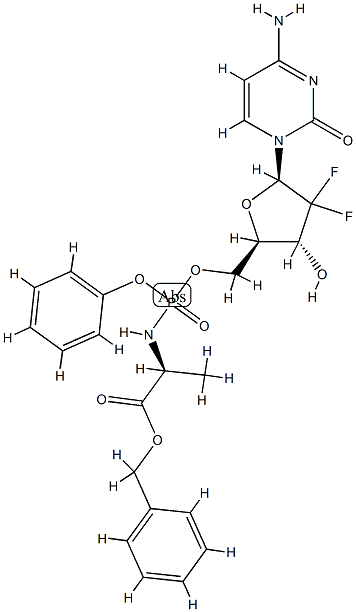
The ProTide demonstrates a significant reduction in tumor size against pancreatic xenograft models compared with the gemcitabine treated group, and less adverse effects on body weight, indicating a better safety profile. Data strongly suggests that the ProTides are not reliant on kinases or nucleoside transporters to exert their activity inside tumor cells and remain stable in the presence of deaminases. The ProTide NUC-1031 is currently advancing through phase I/II clinical studies and has already generated strong pharmacokinetic data that confirm significantly higher intracellular levels of gemcitabine triphosphate, together with promising early efficacy signals and a favorable safety profile. The phosphoramidate chemistry is potentially a great source of new and very effective anticancer agents, bringing a considerable array of advanced treatments specifically designed to overcome cancer resistance mechanisms that will benefit a greater proportion of patients[1].