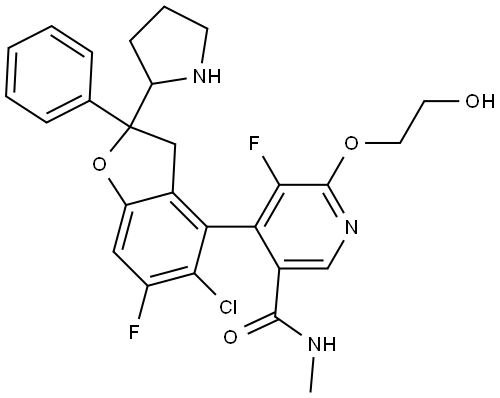
IAG933 (30-240 mg/kg, i.g., once a day, 28 days) shows a dose-dependent anti-tumor effect in mouse xenograft models, promoting cell apoptosis[2].
IAG933 (3-30 mg/kg, i.g., once a day, 2 weeks) causes tumor regression in the MSTO-211H rat xenograft model[2].
| Animal Model: | Mouse MSTO-211H cell-derived xenograft (CDX) model; mouse NCI-H226 cell-derived xenograft (CDX) model[2] |
| Dosage: | 30, 60, 120, 240 mg/kg, single dose; 70, 210 mg/kg, once daily, 28 days |
| Administration: | i.g. |
| Result: | Had a short half-life in mice, inhibiting the transcription of TEAD in the body, promoting apoptosis, and lowering the expression of BCL2L1 and MCL1.
Led to tumor regression and a decrease in Ki67 expression.
|
| Animal Model: | A rat MSTO-211H xenograft model[2] |
| Dosage: | 3, 10, 30 mg/kg, once daily, 2 weeks |
| Administration: | i.g. |
| Result: | Showed the tumor stagnant at 10 mg/kg, and shrank at 30 mg/kg. |