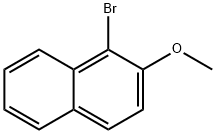
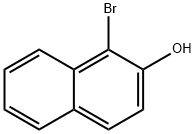
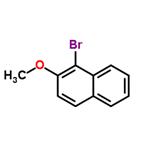
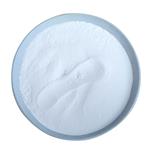
In a 500 mL round-bottomed three-necked flask, 1-bromo-2-naphthol (30.0 g, 134.5 mmol), potassium hydroxide (KOH, 11.3 g, 201.7 mmol) and 300 mL of dimethylsulfoxide (DMSO) were added, and stirred under nitrogen protection for 10 min. Subsequently, the reaction system was cooled in an ice-water bath and iodomethane (28.6 g, 201.7 mmol) was added dropwise slowly. After the dropwise addition, stirring was continued at room temperature under nitrogen atmosphere for 12 h. The reaction was then warmed up to 50 °C for 1 h. The reaction was then completed by cooling to 50 °C for 10 min. After completion of the reaction, it was cooled to room temperature. The reaction mixture was poured into 500 mL of water and extracted with ether. The organic phase was washed three times with distilled water and dried over anhydrous magnesium sulfate (MgSO4). After the solvent was evaporated under reduced pressure, it was purified by silica gel column chromatography (eluent: n-hexane) to afford 1-bromo-2-methoxynaphthalene 22.0 g (yield 69.0%) as a white solid.
[1] Patent: KR2016/17530, 2016, A. Location in patent: Paragraph 0238; 0241; 0245; 0246
[2] Journal of Medicinal Chemistry, 1998, vol. 41, # 24, p. 4800 - 4818
[3] Journal of Organic Chemistry, 2000, vol. 65, # 5, p. 1511 - 1515
[4] Patent: JP5656843, 2015, B2. Location in patent: Paragraph 0092; 0093
[5] Journal of the Chemical Society, 1900, vol. 77, p. 37