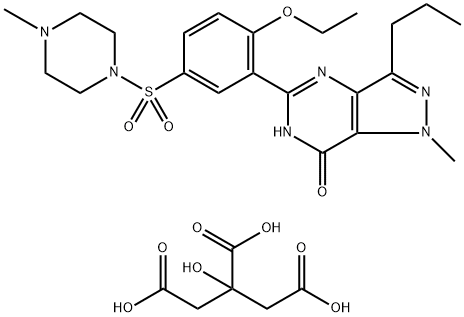
Cyclic guanosine monophosphate (cGMP) is a second messenger produced by guanylate cyclase, which in turn is activated by endogenous substances such as nitric oxide and atrial natriuretic peptide. cGMP can be degraded via members of the phosphodiesterase (PDE) protein family, including PDE1, PDE3, and PDE5. Sildenafil Citrate, formulated for human use and marketed under the trade name Viagra?, is a potent cGMP-specific phosphodiesterase inhibitor that is highly selective for PDE5. It inhibits PDE5 activity in isolated rabbit platelets with an IC50 value of 3.6 nM (3 nM in human corpus cavernosum) compared to inhibition of PDE1 and PDE3 activities (IC50s = 0.26 and 65 μM, respectively). Inhibition of PDE5 enhances the relaxation of smooth muscle in a range of vascular tissues by prolonging the nitric oxide/cGMP-mediated activation of cGMP-dependent protein kinase. While most notable for its use in the treatment of erectile dysfunction, sildenafil’s vasorelaxant properties have also been used to control vascular tone in pulmonary arterial hypertension and high-altitude pulmonary edema associated with altitude sickness. The citrate salt has superior water solubility and pharmacokinetics compared to the base salt of sildenafil.