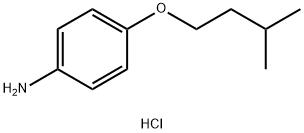
Uses
CP-24879 (hydrochloride) is a potent, selective and combined delta5D/delta6D inhibitor. CP-24879 (hydrochloride) can significantly reduce intracellular lipid accumulation and inflammatory injury in hepatocytes. CP-24879 (hydrochloride) exhibits superior antisteatotic and anti-inflammatory actions in fat-1 and ω-3-treated hepatocytes, and can be used for non-alcoholic steatohepatitis research[1][2].
in vivo
CP-24879 (hydrochloride) (3 mg/kg, IP, three times a day, for 6 or 4 days) inhibits Δ6 + Δ5 desaturase activities in vivo, causing depletion of AA in the livers of chow-fed mice and preventing repletion of AA in the livers of EFAD mice[1].
CP-24879 (hydrochloride) (33 mg/kg, IV, once) is cleared quite rapidly and has a relatively short half-life[1].
| Animal Model: | Chow-fed and EFAD Balb/C mice (N = 5/group) [1] |
| Dosage: | 3 mg/kg |
| Administration: | IP, three times a day, for 6 or 4 days |
| Result: | Inhibited approximately 80% combined Δ6 + Δ5 desaturase activities, causing depletion of AA in the livers of chow-fed mice and preventing repletion of AA in the livers of EFAD mice, and increased OA and LA, with a higher ratio of LA/AA in the livers of mice injected with CP-24879 versus saline (4.70 vs 2.00, Chow-fed mice; 2.46 vs 1.40, EFAD mice; respectively). |
| Animal Model: | Swiss-Webster mice (male, 25 g) [1] |
| Dosage: | 33 mg/kg |
| Administration: | IV in the tail vein, once (Pharmacokinetic Analysis) |
| Result: | Was readily distributed to the peripheral tissues, with the volume of distribution (V) of 1.9 mL/g, was cleared quite rapidly (CL = 0.56 mL/min) and had a relatively short half-life (T1/2 = 59 min). |
References
[1] Obukowicz MG, et al. Identification and characterization of a novel delta6/delta5 fatty acid desaturase inhibitor as a potential anti-inflammatory agent. Biochem Pharmacol. 1998 Apr 1;55(7):1045-58. DOI:
10.1016/s0006-2952(97)00665-5[2] [2]López-Vicario C, et al. Molecular interplay between Δ5/Δ6 desaturases and long-chain fatty acids in the pathogenesis of non-alcoholic steatohepatitis. Gut. 2014 Feb;63(2):344-55. DOI:
10.1136/gutjnl-2012-303179[3] [3]Lee JY, Nam M, Son HY, et al. Polyunsaturated fatty acid biosynthesis pathway determines ferroptosis sensitivity in gastric cancer. Proc Natl Acad Sci U S A. 2020;117(51):32433-32442. DOI:
10.1073/pnas.2006828117